


What kind of care do you need?
Let's look together at the treatment you need and what made dental care difficult for you.
- 01Implants
We start by checking the site of the missing tooth and the condition of the gums and bone.
Digital Implants - 02Orthodontics
We consider tooth alignment, bite, and how well care can be managed during treatment.
Digital Orthodontics - 03Care for Patients with Disabilities
We look at the nature of the disability, the way of communicating, and the level of cooperation together.
Special Care Dentistry - 04Pediatric Care
We begin by helping your child get used to the dental clinic.
Pediatric Dentistry - 05Conscious Sedation
Learn about treatment options that help reduce dental anxiety and tension.
Conscious Sedation - 06General Anesthesia
When treatment is difficult with usual methods, we assess whether general anesthesia may be appropriate.
General Anesthesia
We start by understanding
why treatment was difficult.
Fear of the dentist, difficulty cooperating during treatment, a complex oral condition.
Seoul Korea Dental Clinic looks at each patient's different circumstances
and works with you to find a way to receive the treatment you need.
Are you afraid of the dentist and putting off treatment you need?
The level of fear and the scope of treatment differ for every patient.
From thorough explanations and a period of adjustment to conscious sedation and general anesthesia, we review the approach that fits the patient's condition.
- Thorough explanation and adjustment
- General anesthesia is decided after a separate pre-treatment assessment
Before deciding on a treatment method,
we first understand the patient.
Even when the same treatment is needed, the conditions for receiving it differ.
Seoul Korea Dental Clinic considers both the need for treatment and whether it can realistically be carried out.
- 01Oral condition
We check the teeth and gums and outline the treatment needed.
- 02General health
We check systemic conditions, current medications, and past treatment and anesthesia experiences.
- 03Anxiety and cooperation
We consider how the patient communicates and their fear of the dentist.
- 04Care after treatment
We guide patients and caregivers on oral care they can practice at home.
From alignment and bite to your whole oral condition,
we look at everything together.
Dr. Ahn Tae-hoon, our Representative Director and a specialist in orthodontics and Advanced General Dentistry, considers the patient's tooth alignment and bite, cavities and gum condition, and level of cooperation together to guide the direction of treatment.
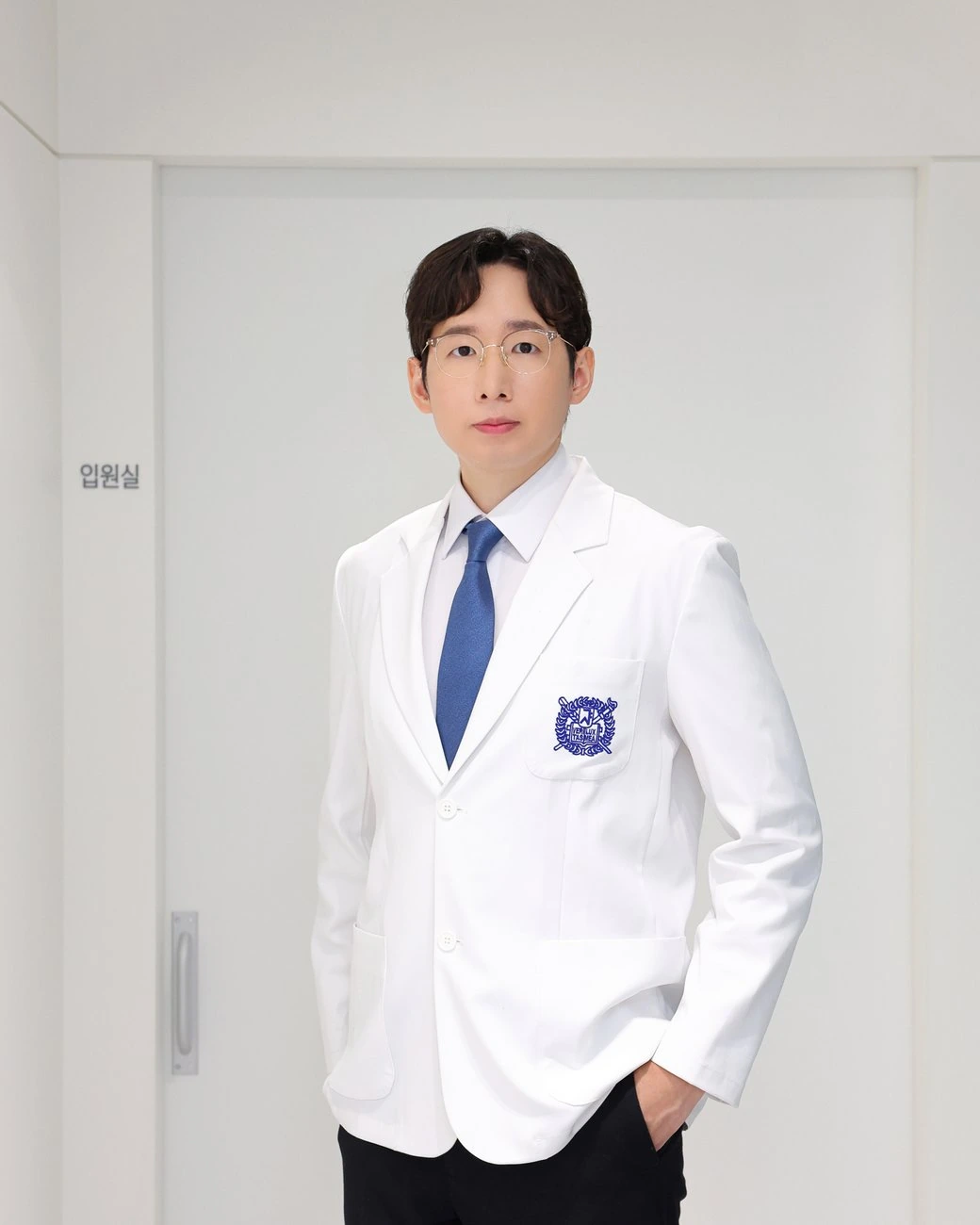
Board-certified orthodontist · Specialist in Advanced General Dentistry
Dr. Ahn Tae-hoon Representative Director
- Graduated & Master's degree, School of Dentistry, Seoul National University
- Intern · Orthodontics Resident, Seoul National University Dental Hospital
- Board-certified orthodontist, certified by the Korean Ministry of Health and Welfare
- Specialist in Advanced General Dentistry, certified by the Korean Ministry of Health and Welfare
- Former Head, Chungbuk Dental Care Center for People with Disabilities, Cheongju Hankook Hospital
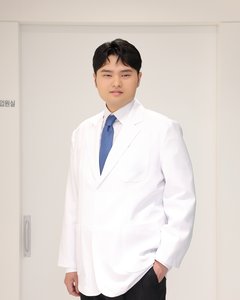
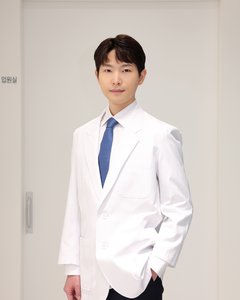
Our medical team
If cooperating during treatment is difficult,
we start by finding what is possible together.
Tension in an unfamiliar setting, difficulty communicating, fear of treatment.
We plan the treatment approach and scope based on the patient's responses and the caregiver's explanations.
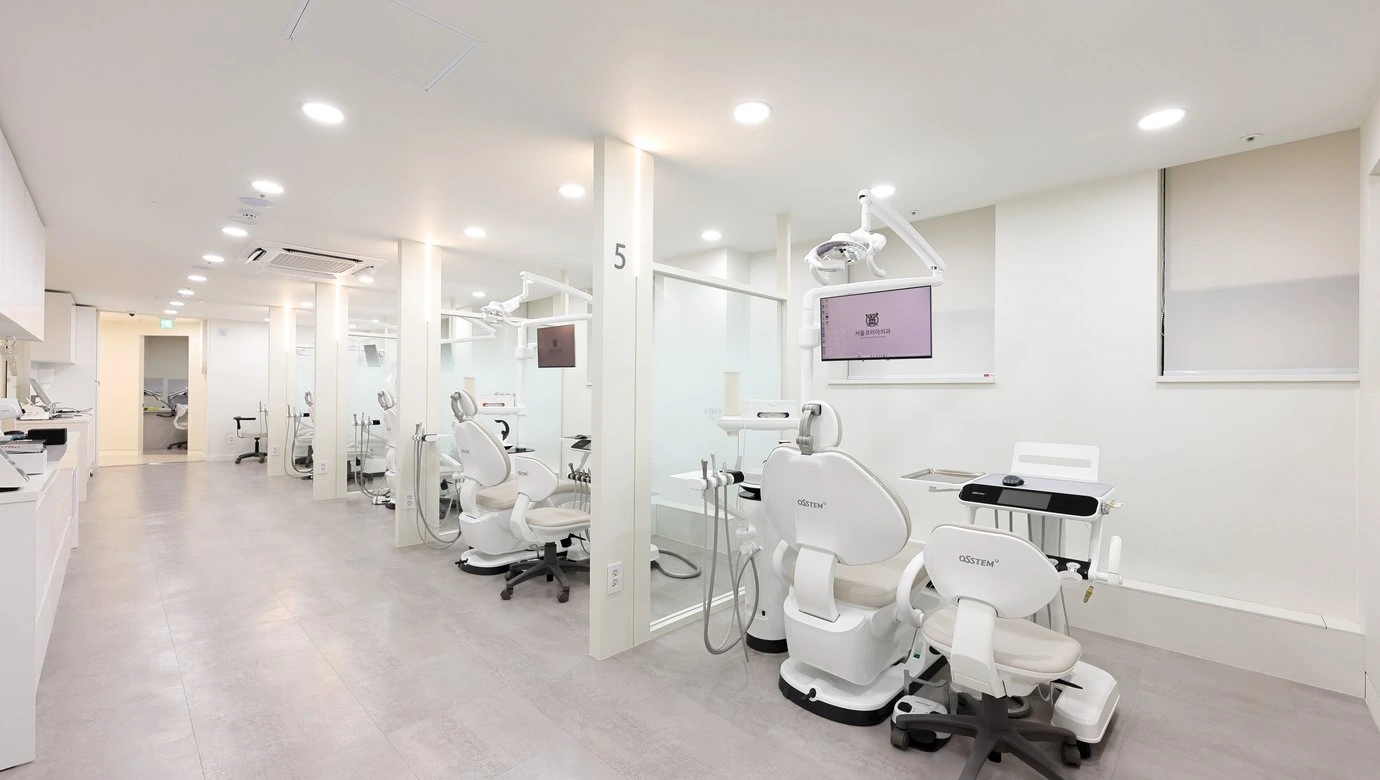
We consider the nature of the disability, general health, and the oral hygiene care environment together.
Care for patients with disabilities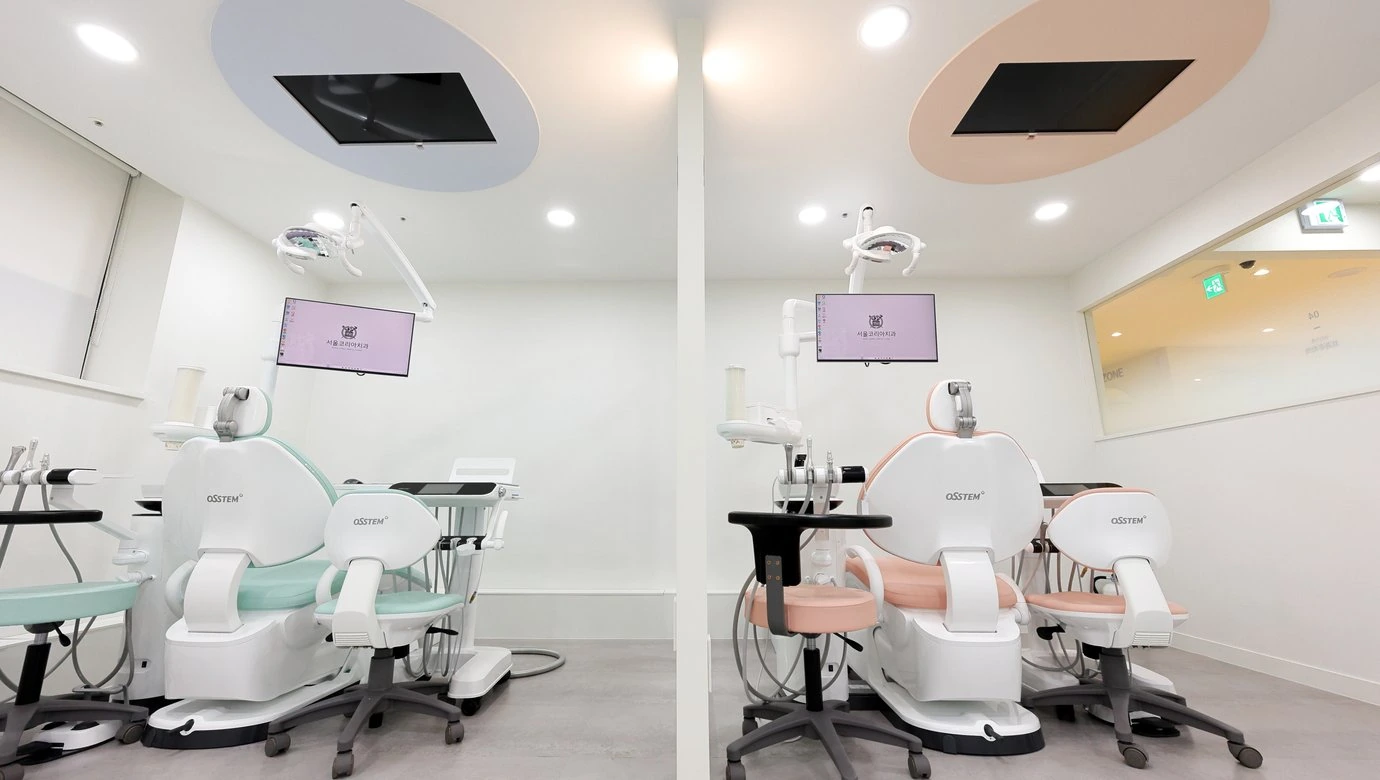
We observe your child's age and responses, and guide them through adjustment and the treatment they need.
Pediatric care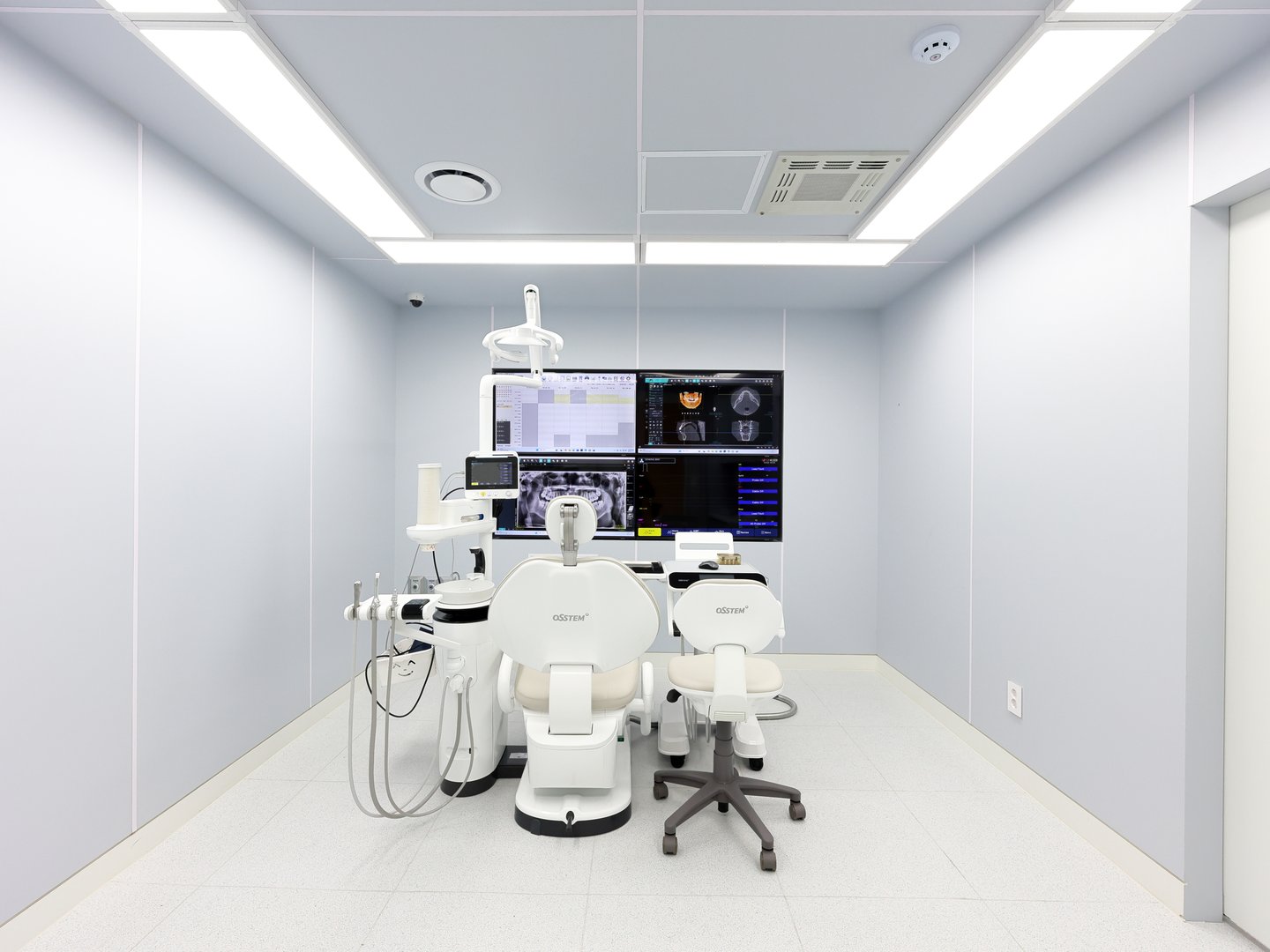
General Anesthesia & Ward
General anesthesia treatment:
from pre-treatment assessment to recovery, step by step.
Treatment under general anesthesia needs to be planned not only for the treatment time itself, but also for the pre-treatment assessment and preparation and the recovery afterward. Seoul Korea Dental Clinic explains the preparations needed for each patient's condition, as well as post-treatment observation and whether the recovery room will be used.
- 01Checking health before treatment
We check systemic conditions, medications, medical history, and pre-treatment test results.
- 02Explaining the anesthesia and treatment plan
We explain the scope of treatment, expected duration, possible benefits and risks, and the recovery process.
- 03Checking recovery after treatment
We monitor vital signs from anesthesia through recovery and keep track of the patient's condition.
- 04Recovery room use and going home
Depending on recovery, we let you know whether the recovery room is needed and when you can go home.
Learn about general anesthesia treatment Recovery Room Guide
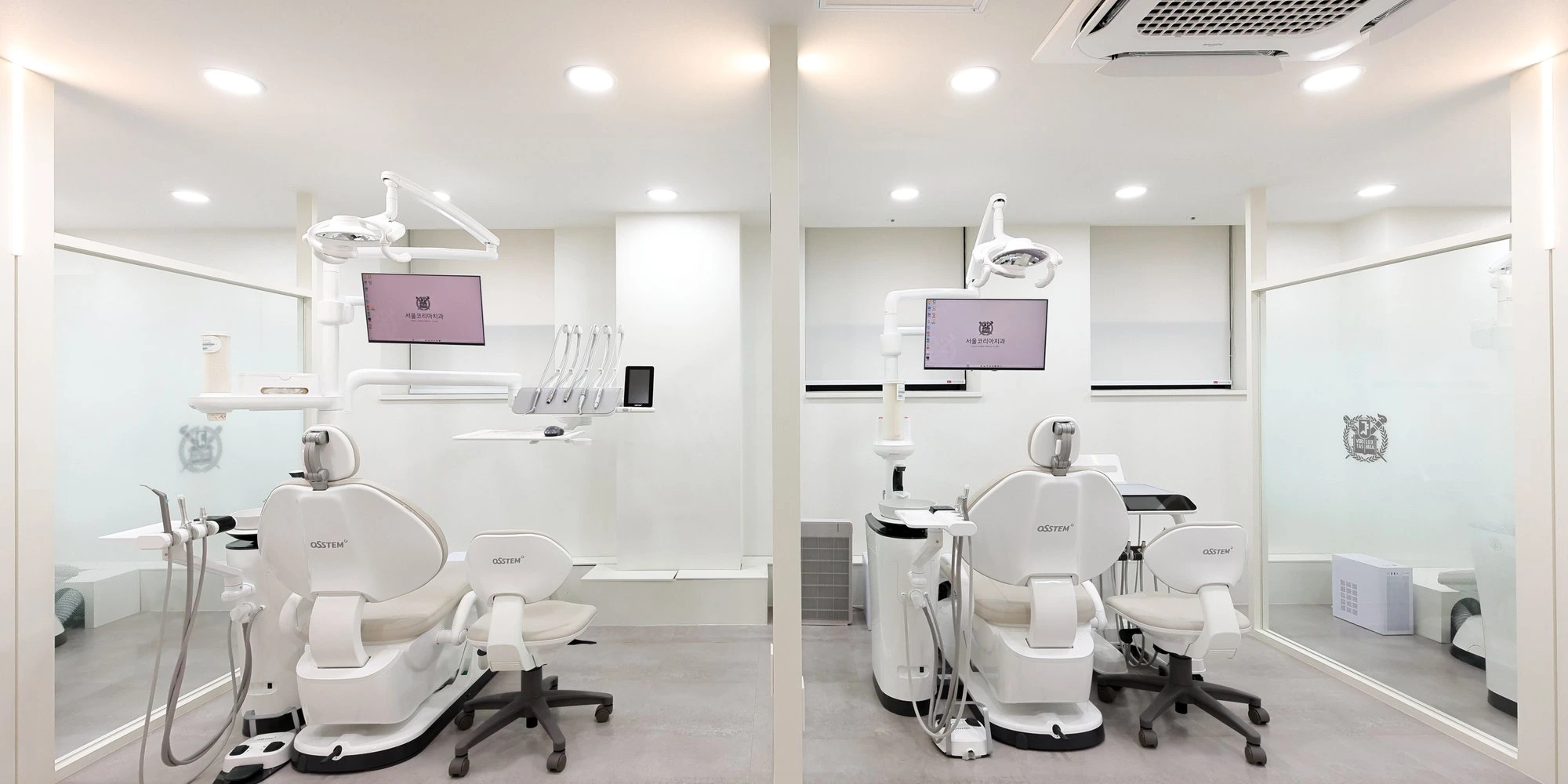
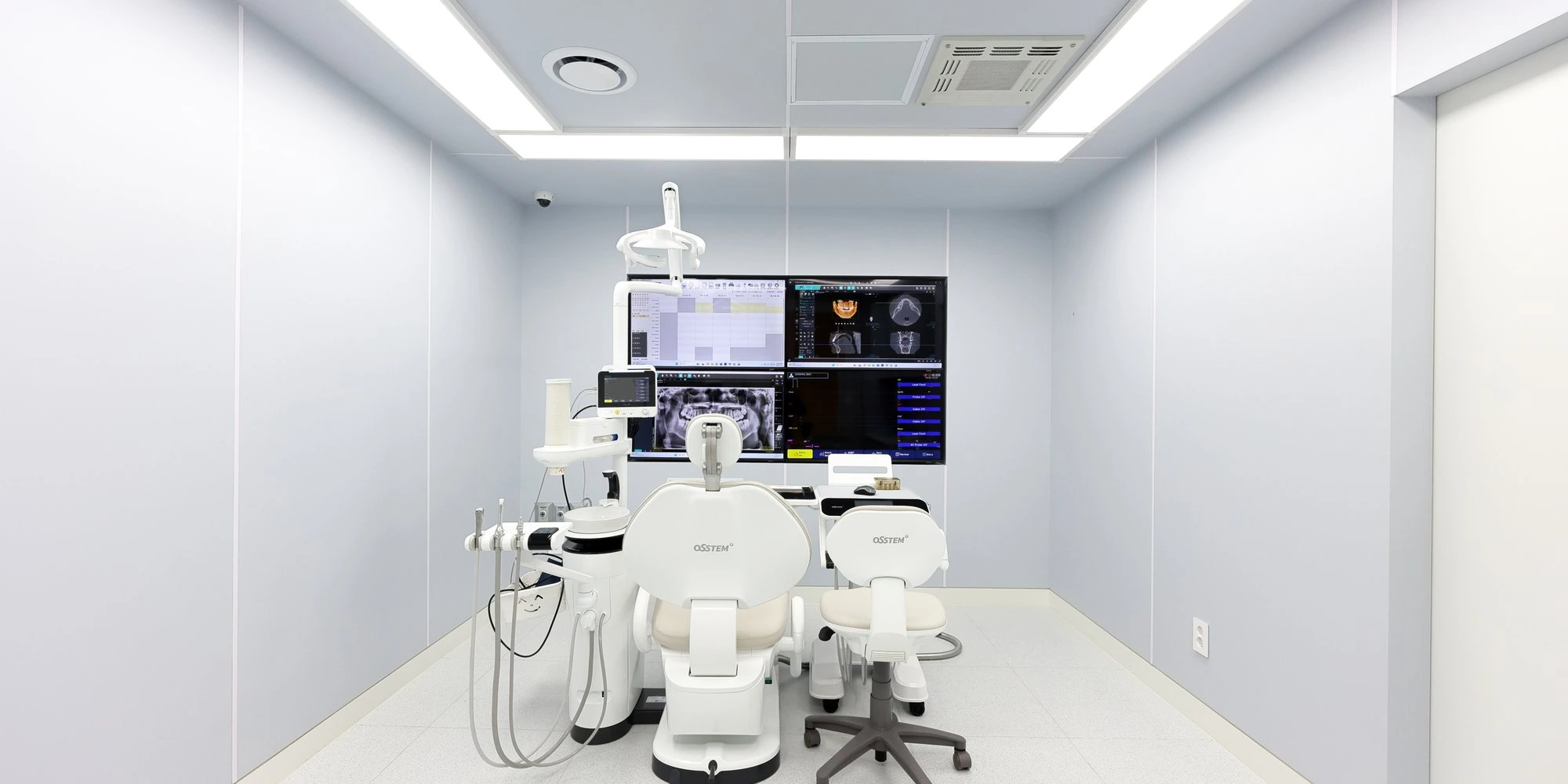
Before your visit, take a look at our spaces.
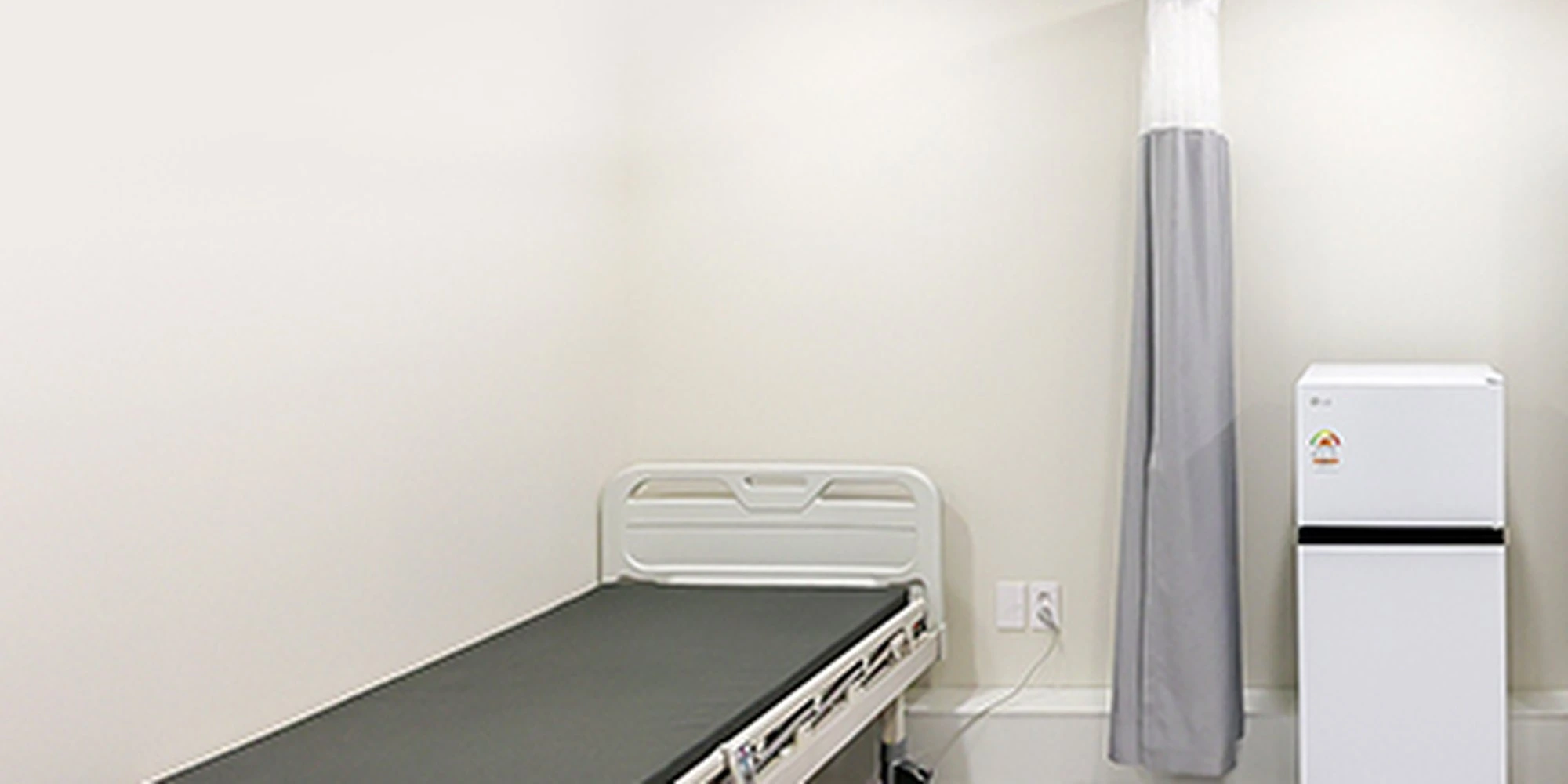
You can preview the spaces where consultations and treatment take place, as well as the recovery room where patients rest after treatment.
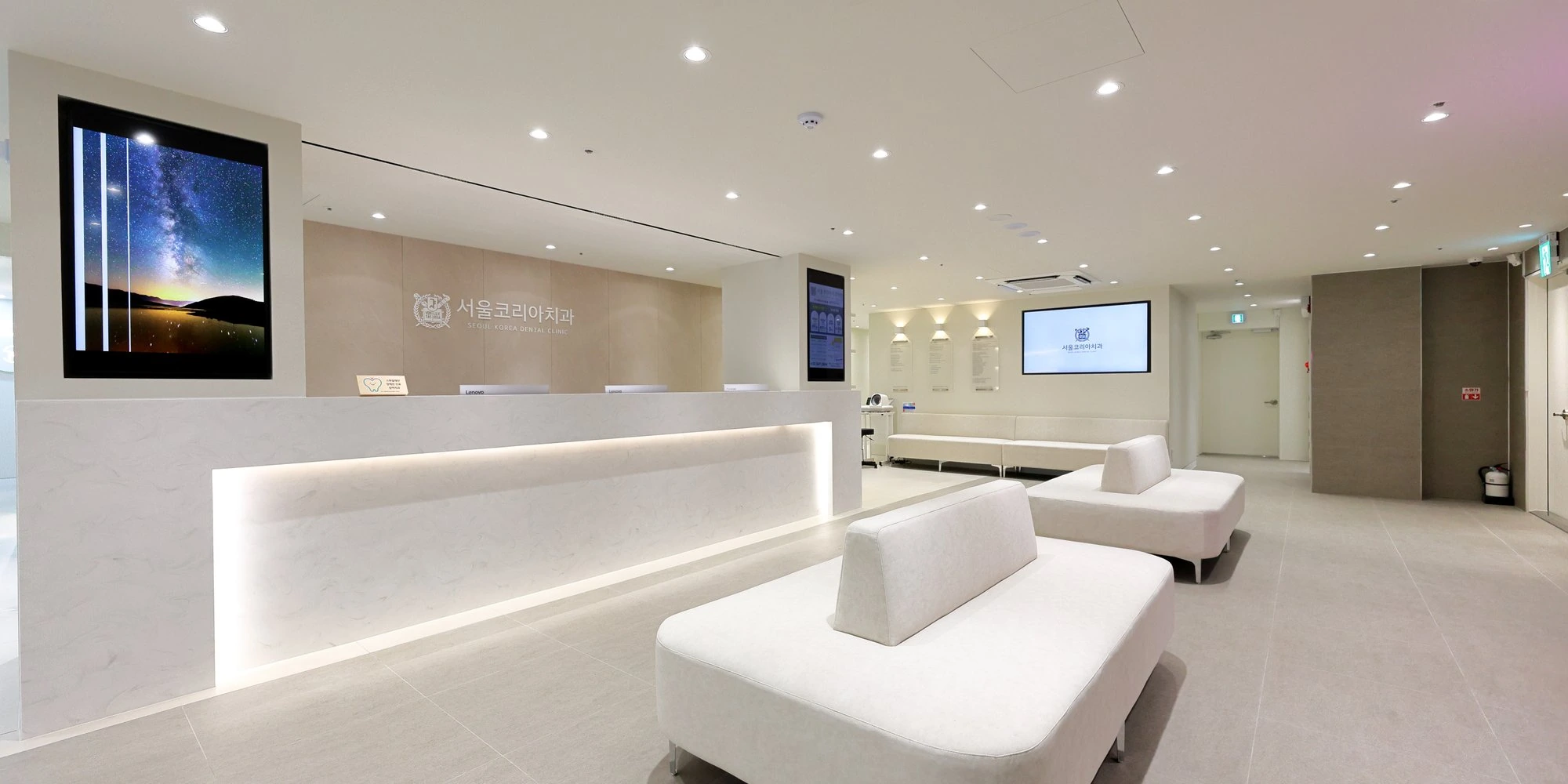
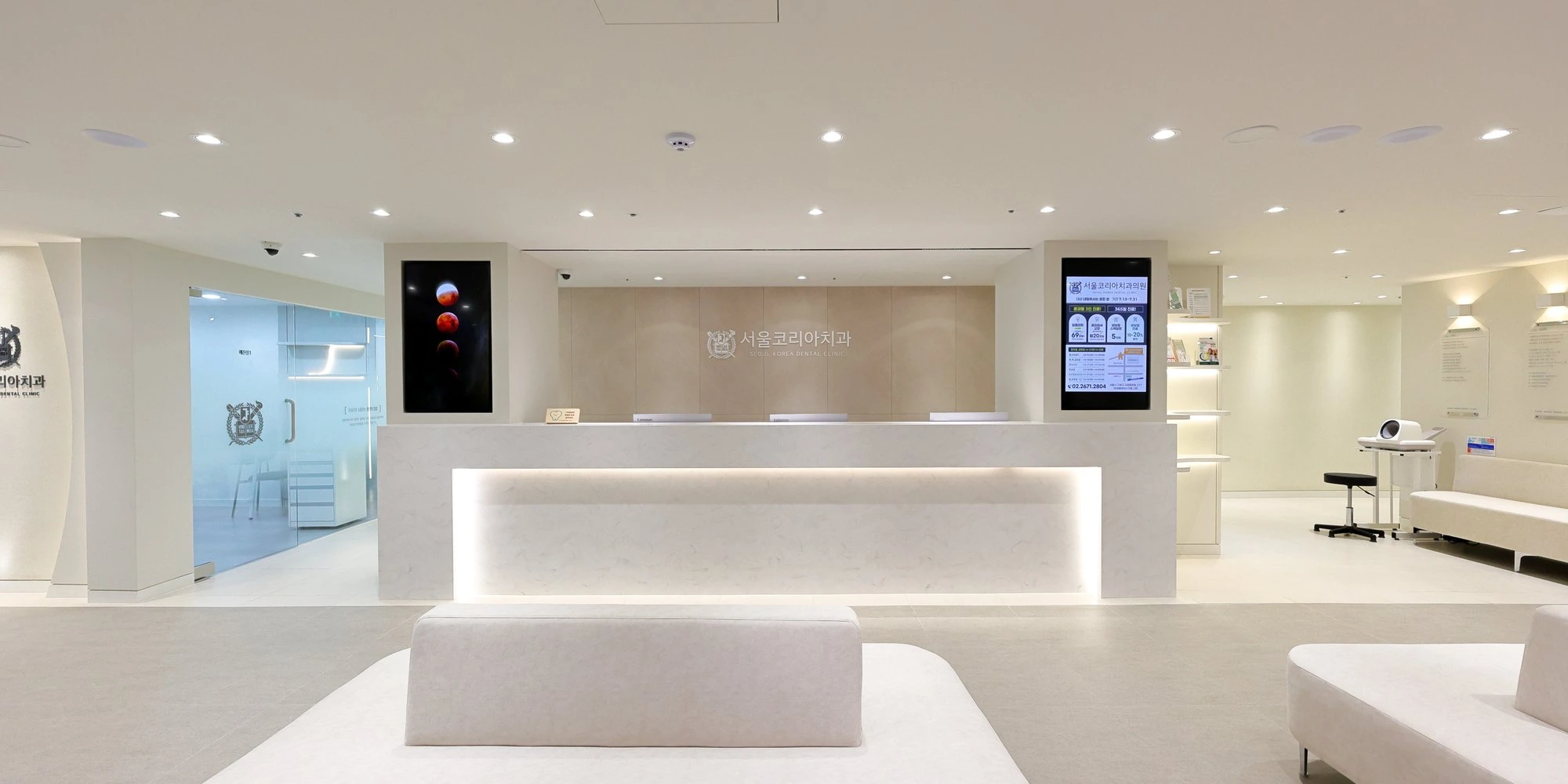
Before deciding on treatment,
check the answers to your questions first.
Seoul Korea Dental Clinic Magazine · Dental Tips · Press
We explain treatment methods and how to choose among them in a little more detail.
Answers to questions patients and caregivers often ask.
News and media coverage about Seoul Korea Dental Clinic.
FAQ
Before your visit: frequently asked questions.
QHow are conscious sedation and general anesthesia different?
Conscious sedation and general anesthesia are different treatment methods.
Conscious sedation uses medication to reduce anxiety and tension; treatment takes place while you breathe on your own and can respond to simple conversation or instructions. General anesthesia is a method of treatment in which the patient's consciousness and movement are controlled, and the preparation process and monitoring methods also differ.
Which method is appropriate is decided after checking your health and the scope of treatment.
QIf I have a disability, do I have to be treated under general anesthesia?
No. Having a disability does not mean you must be treated with a special method, and in some cases standard treatment is possible.
We decide on the treatment approach after checking how the patient communicates, their level of cooperation, systemic conditions, current medications, and the scope of treatment needed. If cooperation is difficult, we review behavior management, nitrous oxide (laughing gas), sedation, or general anesthesia to find what fits the patient's condition; we do not apply the same method to every patient.
QCan we still have a consultation if my child refuses treatment?
Yes, you can have a consultation.
Rather than pushing ahead with treatment from the start, we first check your child's age, level of anxiety, previous dental experiences, and the scope of treatment needed. Refusing treatment does not mean we move straight to sedation; we first see whether treatment is possible through getting used to the clinic, conversation, and behavior management, and if needed, we assess your child's health and consider options such as nitrous oxide (laughing gas) or sedation.
QCan patients with disabilities consider orthodontic treatment?
Yes, it can be considered through an individual diagnosis.
We assess the condition of the teeth and gums, the level of cooperation, and how well oral hygiene can be maintained. Because orthodontic treatment involves caring for appliances over a long period and regular visits, we also check how much support caregivers can provide; we do not decide whether treatment is possible based on the type of disability alone.
Digital Orthodontics Special Care Dentistry for Patients with Disabilities
QDo I have to stay in the recovery room after treatment under general anesthesia?
Whether a stay is needed depends on the patient's recovery.
After checking recovery following treatment, we let you know when you can go home and whether the recovery room will be used. The recovery room is a space for patients who need time to recover, for example from dizziness after anesthesia; specific criteria for its use are explained during the pre-treatment assessment and consultation.
QHow is treatment planned when several teeth need treatment?
We first set treatment priorities based on examination results and your health.
We plan the care you need — such as cavity and root canal treatment, gum treatment, wisdom tooth extraction, implants and prosthetics, and orthodontics — in coordination according to your oral condition, and explain which treatment areas are involved and in what order. When cooperation is very difficult or several teeth need treatment, general anesthesia may be considered, but it is not decided on convenience alone.
Before your visit, please check our hours and what to prepare.
2F, 217 Guro-jungang-ro, Guro-gu, Seoul (서울특별시 구로구 구로중앙로 217, 이안과빌딩)
Booking & Consultation
Hours
Mon·Wed14:00 ~ 21:00 (evening hours)

Tue·Thu·Fri10:00 ~ 19:00
Sat10:00 ~ 17:00
Sun & Holidays10:00 ~ 14:00 (No lunch break)
Weekday lunch break12:30 ~ 14:00
Saturday lunch break13:00 ~ 14:00
※ We are open 365 days a year, including weekday evenings, weekends, and holidays. Available treatments and doctors' schedules may vary by date and time, so please call to confirm before your visit.
※ For individual treatments such as general anesthesia, conscious sedation, and orthodontics, available appointment times are provided separately after a prior consultation.
Directions
2F, 217 Guro-jungang-ro, Guro-gu, Seoul (서울특별시 구로구 구로중앙로 217, 이안과빌딩)
Parking & Transportation
For parking and public transportation information, please contact our main line at 02-2761-2804.
Accessibility
Wheelchairs and hospital beds can be moved from the clinic entrance via the elevator to the treatment rooms, and there is a space where you can be treated while remaining seated in your wheelchair.
Preparing for your first visit
It helps us to know about any systemic conditions, medications, allergies, past surgery or anesthesia experiences, and test records from other medical institutions. If the patient has a disability, please also tell us how they usually communicate. Whether a caregiver should accompany the patient will be explained when you book.