
Seoul Korea Dental Clinic
Conscious Sedation
If dental anxiety is strong,
Conscious sedation is a treatment method that uses medication to ease anxiety and tension about dental treatment.
Whether it can be used is decided after checking your health and the treatment you need.
Seoul Korea Dental Clinic
Conscious Sedation Care

Easing anxiety & tension

Checking vital signs
Treatment plan consultation
Conscious sedation is different from general anesthesia.
Conscious sedation uses medication to ease anxiety and tension about dental treatment. Unlike general anesthesia, you breathe on your own and treatment takes place while you can respond to simple conversation and instructions.
Whether it can be used and how to prepare are explained after checking the patient's health and treatment details.
The difference between conscious sedation and general anesthesia
The two methods differ in preparation and monitoring. We decide on the appropriate method based on the patient's health and the scope of treatment.
| Category | Conscious Sedation | General Anesthesia |
|---|---|---|
| Level of consciousness | Able to respond to simple conversation and instructions | Consciousness and movement are controlled |
| Breathing | Breathes on their own | Breathing managed with an anesthesia machine |
| Medication | Sedative medication delivered into a vein at a steady rate with a syringe pump | General anesthesia performed in collaboration with anesthesiology staff |
| Monitoring | Pulse, blood pressure, ECG, oxygen saturation, and end-tidal CO2 (EtCO2) checked | Vital signs checked in real time from anesthesia through recovery |
| Prior check | Systemic conditions, respiratory condition, medications, allergies, past sedation/anesthesia experiences | Pre-treatment tests to check general condition |
| Recovery | Going-home guidance after checking recovery | If more recovery is needed, the patient recovers in the recovery room before going home |
In cases like these, conscious sedation
may be considered.
Sedation cannot be applied in the same way to every patient.
If the pre-treatment assessment finds it is not appropriate, we will explain other treatment options.
-
Strong anxiety about dental sounds and instruments
-
Complex implants or
extraction of several wisdom teeth -
Difficulty keeping the mouth open for long due to jaw joint problems
-
A strong
gag reflex
Conscious sedation treatment process
- 01
Consultation
We check the treatment needed, the expected time, and how anxious you feel about dental treatment.
- 02
Pre-treatment assessment
We check systemic conditions, respiratory condition, medications, allergies, and past sedation or anesthesia experiences. If needed, we may request additional tests or an opinion from another medical institution.
- 03
Preparation guide
We explain fasting times and instructions about your medications.
- 04
Sedation and monitoring
Sedative medication is delivered into a vein at a steady rate, and vital signs are checked throughout treatment.
- 05
Dental treatment
We carry out treatment within the scope agreed on in the consultation.
- 06
Checking recovery
After checking recovery, we explain when you can go home and what precautions to take.
Seoul Korea Dental Clinic decides whether sedation can be used after checking your health and treatment details before sedation,
and checks vital signs throughout treatment.
During sedation,
we check breathing and vital signs
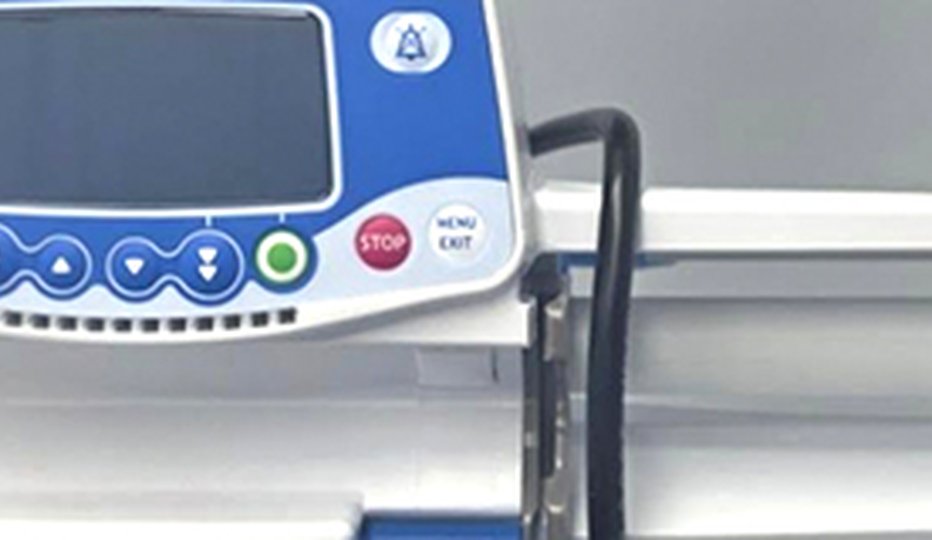
Syringe pump
Equipment that delivers sedative medication into a vein at a steady rate.
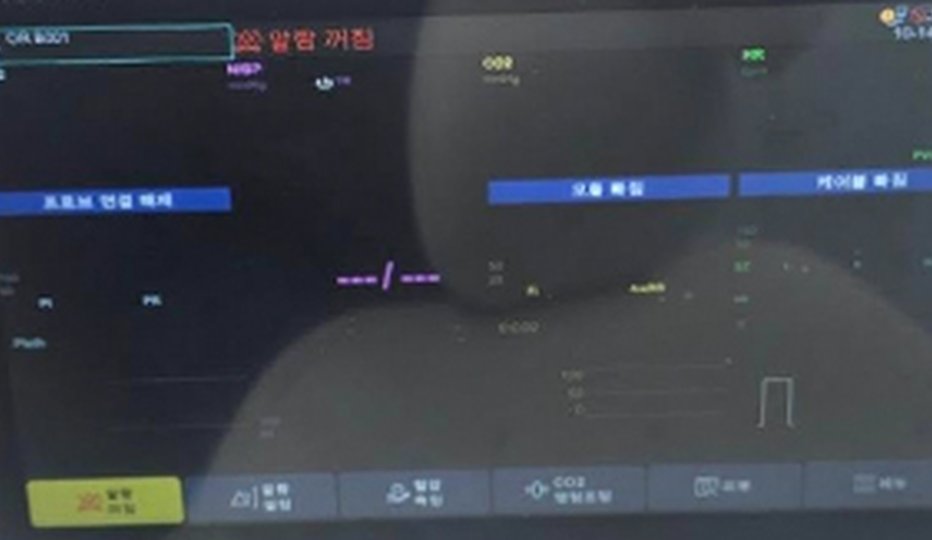
Patient monitor
Checks pulse, blood pressure, ECG, and oxygen saturation throughout treatment.
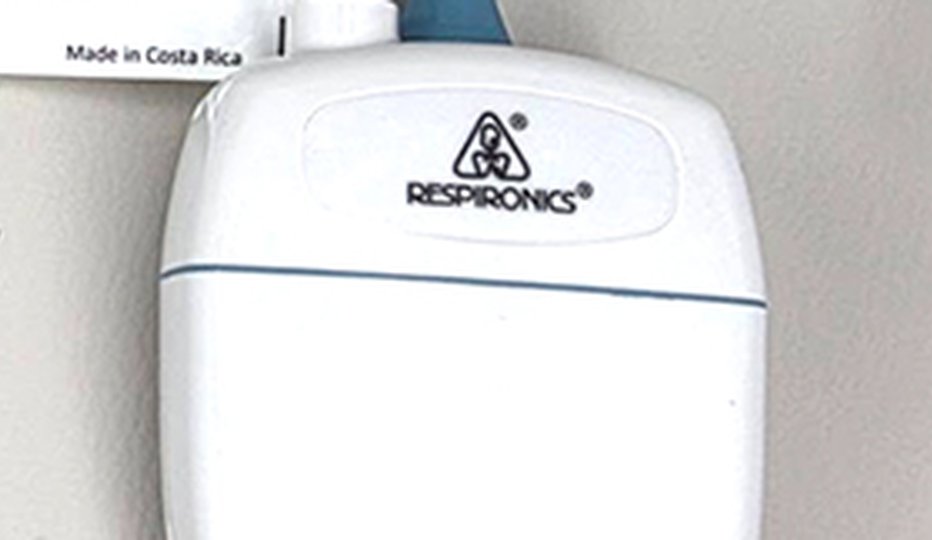
End-tidal CO2 (EtCO2) monitoring
Measures the carbon dioxide level in exhaled breath to check breathing.

Emergency preparedness
We keep emergency medications, reversal agents, emergency airway equipment, and an automated external defibrillator (AED).
When you need help easing tension and anxiety
Nitrous Oxide (Laughing Gas)
What is nitrous oxide treatment?
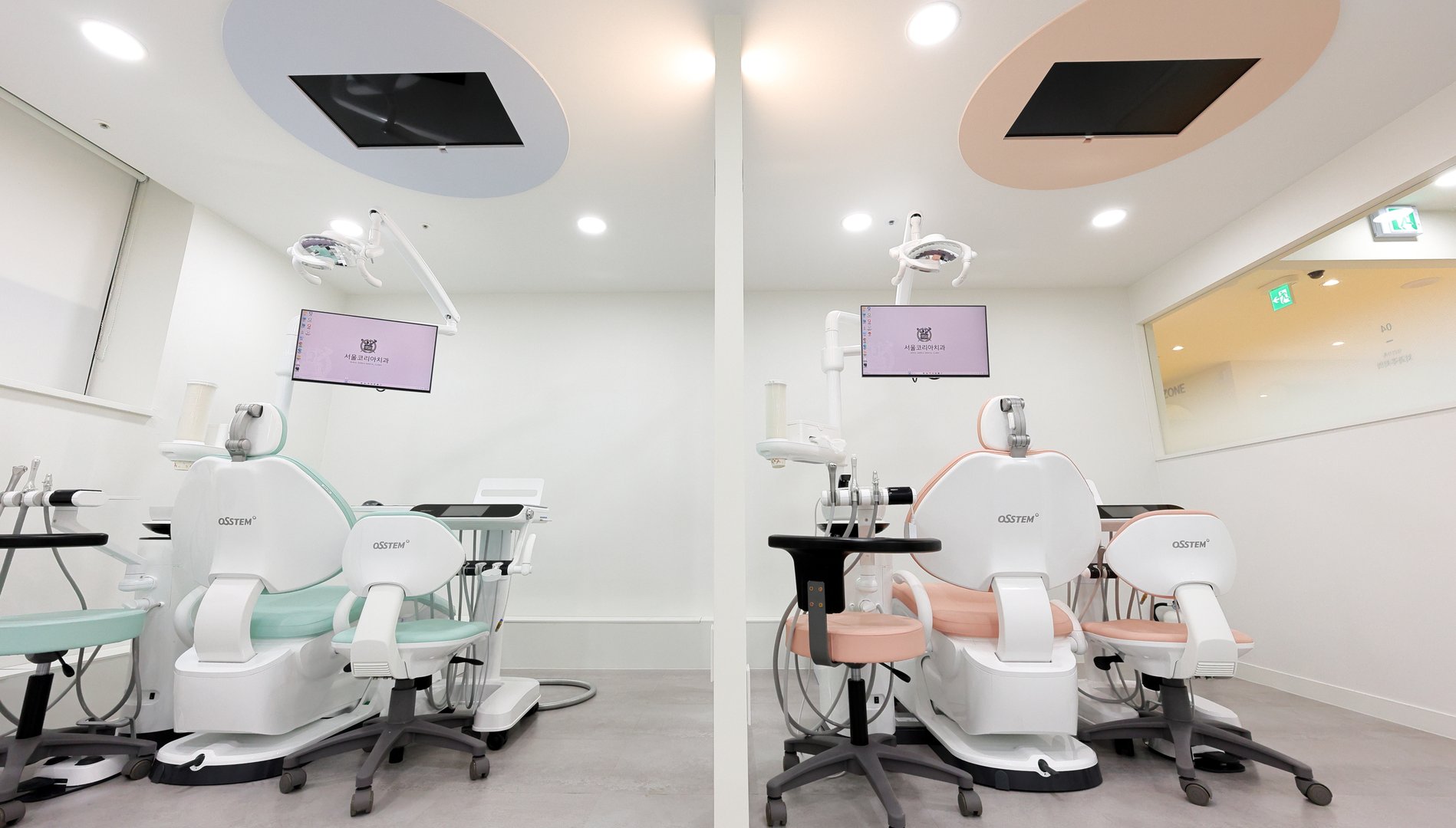
A method in which a mixture of oxygen and nitrous oxide is inhaled through the nose to help reduce tension and anxiety during dental treatment.
How it differs from other methods
Nitrous oxide treatment is different from general anesthesia, in which the patient is asleep; consciousness and communication are generally maintained.
Depending on the level of anxiety and the treatment needed, conscious sedation or other treatment methods may also be considered.
What to check beforehand
We decide whether it can be used after checking the patient's health and level of cooperation.
- Health condition
- Level of cooperation
- Whether the patient can breathe through the nose
If your child is afraid of the dentist
Rather than pushing ahead with treatment from the start, we first check your child's age, level of anxiety, and previous dental experiences.
If treatment is difficult with adjustment and behavior management alone, we may consider nitrous oxide or sedation after assessing your child's health.
Before and after sedation: preparation & recovery guide
For safe treatment, please check the following.
Fasting
Depending on the sedation method, you may need to fast for a certain period. Instructions may also apply to water and other drinks, so please follow the fasting time you are given.
Medications
Please do not stop any medication on your own; tell us the type of medication and when you take it when booking or during your consultation.
Health information
Please let us know in advance about systemic conditions, respiratory condition, allergies, and past sedation or anesthesia experiences.
Caregiver accompaniment
When sedation is being considered, the caregiver's explanation and consent may be important. Please ask whether a caregiver should come when you book.
Going home after recovery
We let you know when you can go home after checking your recovery, and explain precautions for after you get home on the day of treatment.
Suitability
Whether sedation can be used is decided after a consultation and pre-treatment assessment. If sedation is not appropriate, we will explain other options.
Frequently Asked Questions
If you have more questions, please contact us by phone or through a booking consultation.
QHow are conscious sedation and general anesthesia different?
Conscious sedation, commonly called "sleep dentistry," is a method of treatment that uses medication to lower anxiety and tension; you breathe on your own and can respond to simple conversation and instructions. General anesthesia is a method of treatment in which the patient's consciousness and movement are controlled, and the preparation process and monitoring methods also differ. We decide on the appropriate method based on the patient's health and the scope of treatment.
QCan anyone receive sedation?
Sedation is not a method that can be applied in the same way to every patient. We check systemic conditions, respiratory condition, medications, allergies, and past sedation or anesthesia experiences, along with the treatment needed and the expected treatment time. Depending on the pre-treatment assessment, additional tests or an opinion from another medical institution may be needed, and if sedation is judged not to be appropriate, we will explain other treatment options.
QDo I need to fast before sedation?
Depending on the type of sedation, you may need to fast for a certain period. Separate instructions may apply not only to food but also to water, drinks, and medications, so please follow the preparation instructions and fasting time given by our medical team. Do not stop any medication on your own; tell us the type of medication and when you take it.
QWhat is nitrous oxide (laughing gas) treatment?
It is a method in which a mixture of oxygen and nitrous oxide is inhaled through the nose to help reduce tension and anxiety during treatment. It is different from general anesthesia, in which the patient is fully asleep; consciousness and communication are generally maintained. We decide whether it can be used after checking health, level of cooperation, and whether the patient can breathe through the nose.
QIf my child refuses treatment, will sedation be used right away?
Refusing treatment does not mean we move straight to sedation. We first check whether your child can adjust to the treatment environment and whether treatment is possible through conversation and behavior management. We decide on the treatment approach by considering how far the cavities have progressed, the number of teeth to be treated, and your child's health and level of anxiety.
If you are unsure about the treatment approach,
please consult us first.
After checking the patient's condition and the treatment needed, we will explain the available treatment options.