
Seoul Korea Dental Clinic
Digital Orthodontics
We consider alignment, bite,
and the conditions for continuing treatment.
Dr. Ahn Tae-hoon, our Representative Director and a board-certified orthodontist certified by the Korean Ministry of Health and Welfare, explains everything from orthodontic diagnosis to appliance selection and retention care.
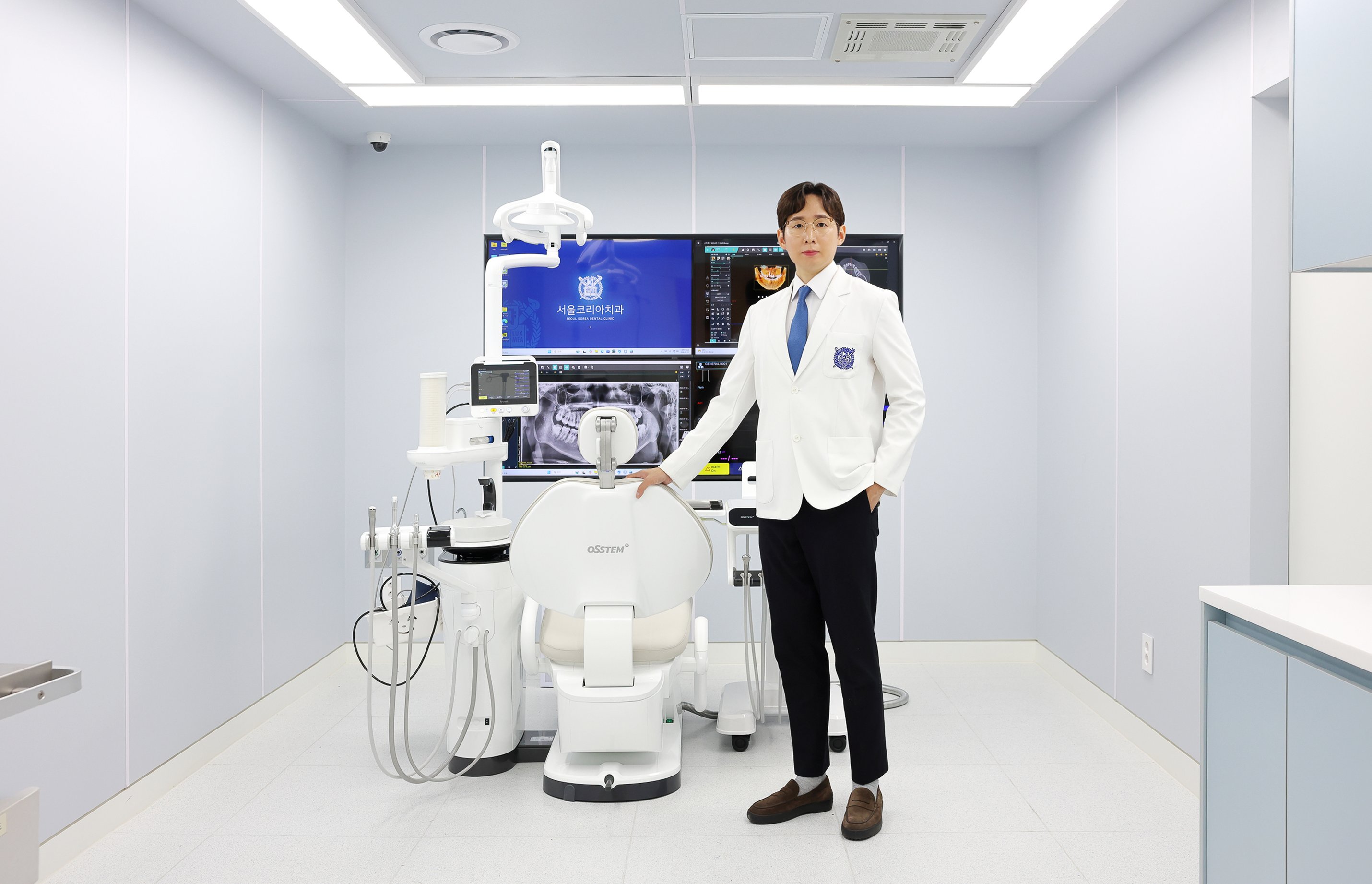
After orthodontic diagnosis, we choose the appliance
We choose the appliance considering the condition of the teeth, treatment goals, and appliance care habits,
and after orthodontic treatment, alignment is maintained with retainers.
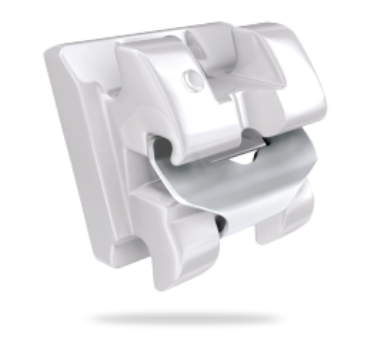
Fixed braces attached to the teeth
A method that attaches brackets to the teeth and moves them with wires.
Appliance material and type are decided after diagnosis and consultation.
- Adjusted at regular visits
- Careful brushing needed
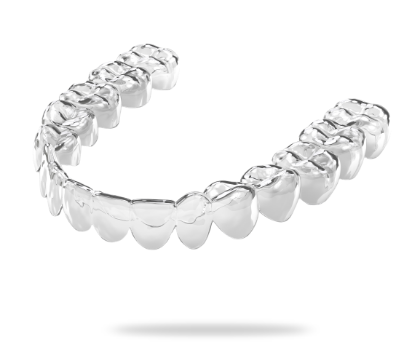
Removable clear aligners
A method that moves the teeth by replacing clear appliances step by step.
You can remove them to eat and brush, but must wear them for the set time.
- Removable
- Wearing time must be managed
Planned digitally:
Invisalign clear aligners
Our Representative Director is a certified Invisalign provider (USA) and plans tooth movement based on intraoral scan data.
The scope of treatment and whether it can be used are explained after orthodontic diagnosis.
For children in the growth period:
Invisalign First
A clear aligner for the teeth of children in the growth period.
We decide whether it can be used after checking when the permanent teeth are coming in and how the jaws are growing.
Alignment and bite checked during an orthodontic consultation
We look not only at tooth alignment but also at the relationship between the upper and lower jaws, chewing function, and how well care can be managed during treatment.
Consider an orthodontic consultation in cases like these
Crowded teeth · protruding mouth · underbite and other malocclusions:
Treatment timing and methods are decided through diagnosis.
Crowded or overlapping teeth
When there is not enough space for teeth to come in, so they overlap or grow in crooked
Protruding mouth
When the front teeth or gums stick out, making it uncomfortable to close the lips
Deep bite
When the upper teeth cover the lower teeth deeply
Open bite
When the front teeth do not meet even when the back teeth are closed
Underbite
When the lower teeth sit in front of the upper teeth
Differences in jaw growth
When a difference in growth between the upper and lower jaws is suspected during the growth period
Growth-stage orthodontics & adult orthodontics
Timing is decided through diagnosis
When to start growth-stage orthodontics depends on the type of malocclusion, how the teeth are coming in,
and the growth of the upper and lower jaws.
Not every child needs to start orthodontics early just because the front teeth are uneven.
Growth-stage orthodontics
If a protruding or underdeveloped lower jaw, a difference in growth between the upper and lower jaws, or a lack of space for permanent teeth is suspected, a growth-stage check-up helps determine the timing of treatment.
Pediatric DentistryAdult orthodontics
We check the gums and jawbone, cavities, and existing prostheses together, and if needed, carry out treatment such as gum treatment first.
Cleft lip and palate · congenital craniofacial anomalies
You can consult us about orthodontic treatment eligible for National Health Insurance coverage. The coverage criteria are explained after diagnosis.
Orthodontics for patients with disabilities: we start by assessing cooperation
We do not decide whether treatment is possible based on the type of disability alone; we consider orthodontics after assessing the teeth and gums, level of cooperation,
and how well oral hygiene can be maintained.
01Cooperation assessment
Before treatment, we attach part of the initial appliance to check whether the patient can adjust to it.
02Caregiver support
Because orthodontics involves caring for appliances over a long period and regular visits, we also check how much support caregivers can provide.
03Staged payment
Orthodontic treatment costs for patients with disabilities are paid in installments by stage. The treatment stages, payment criteria, and conditions that apply if treatment is discontinued can be confirmed during consultation.
Special Care Dentistry for Patients with DisabilitiesOrthodontic diagnosis & treatment process
Consultation & oral examination
We check tooth alignment, bite, and jaw growth, and prepare diagnostic records with X-rays and an intraoral scan.
For impressions, we use an intraoral scanner.
- STEP 01
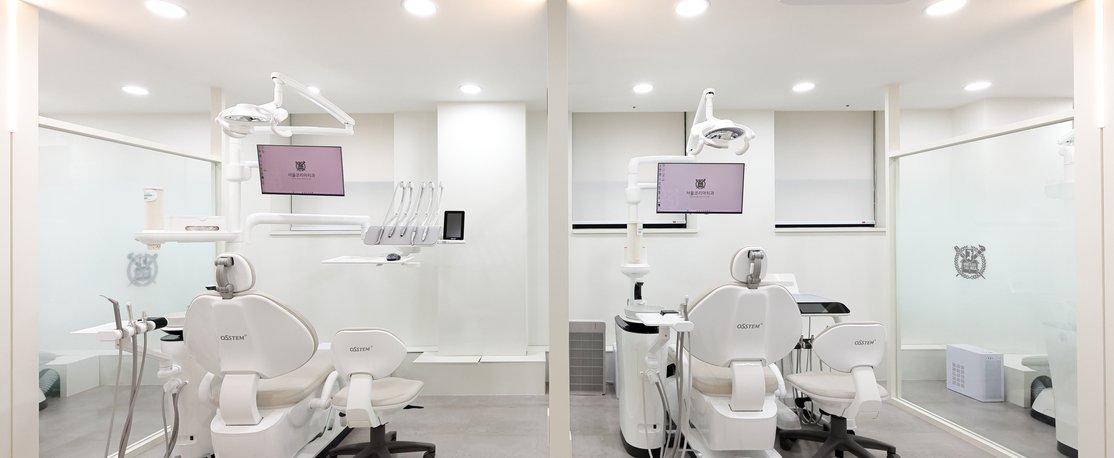
Explaining the diagnosis & treatment plan
Based on the examination results, we explain the direction of tooth movement, the type of appliance, and the expected duration.
At this stage, we also explain whether extraction is needed, how to care for your teeth during treatment, and how payment works.
- STEP 01
- STEP 02
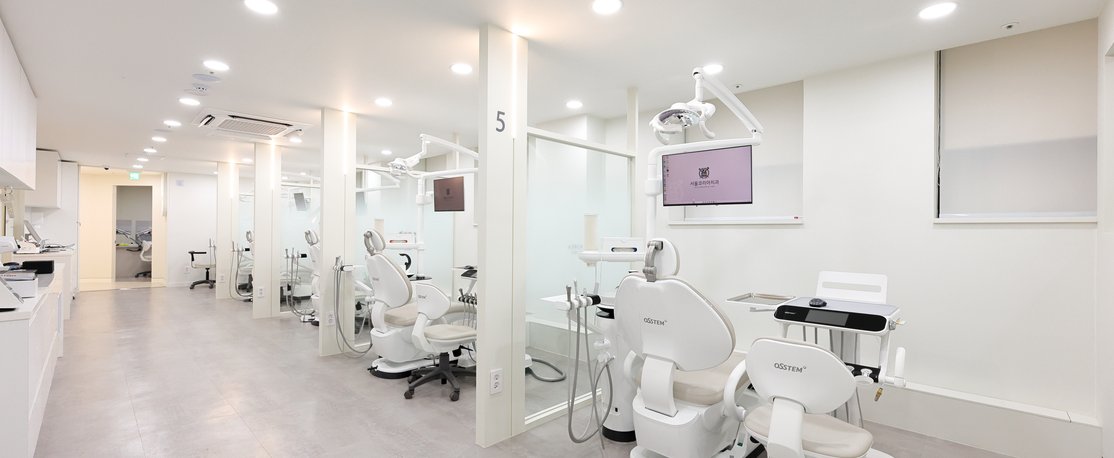
Appliance placement & regular visits
After the appliance is placed, you visit regularly so we can check tooth movement and oral hygiene.
Throughout treatment, we also check that brushing and appliance care are going well.
- STEP 01
- STEP 02
- STEP 03
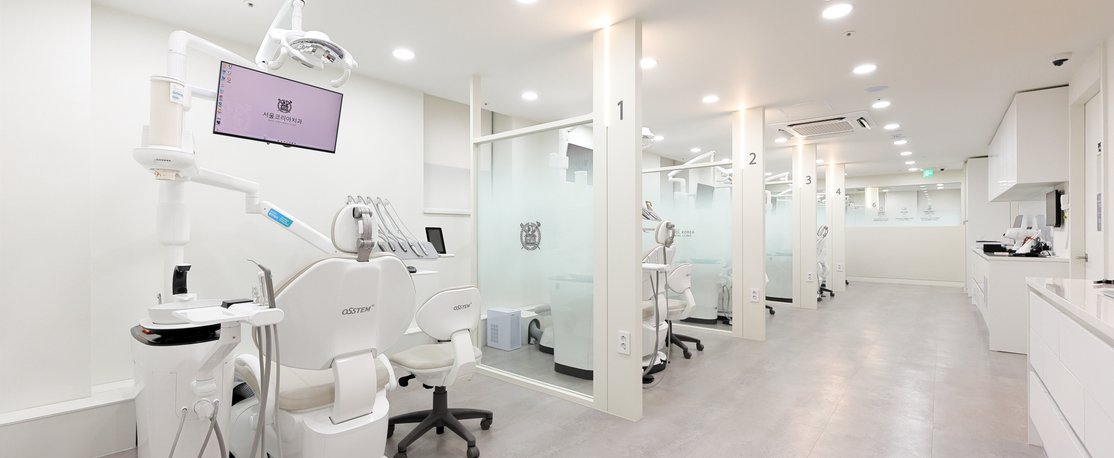
Retainers & regular check-ups
Teeth tend to move back toward their original positions after orthodontic treatment, so retainers are used.
We explain how to wear your retainer and how often to come for check-ups.
- STEP 01
- STEP 02
- STEP 03
- STEP 04
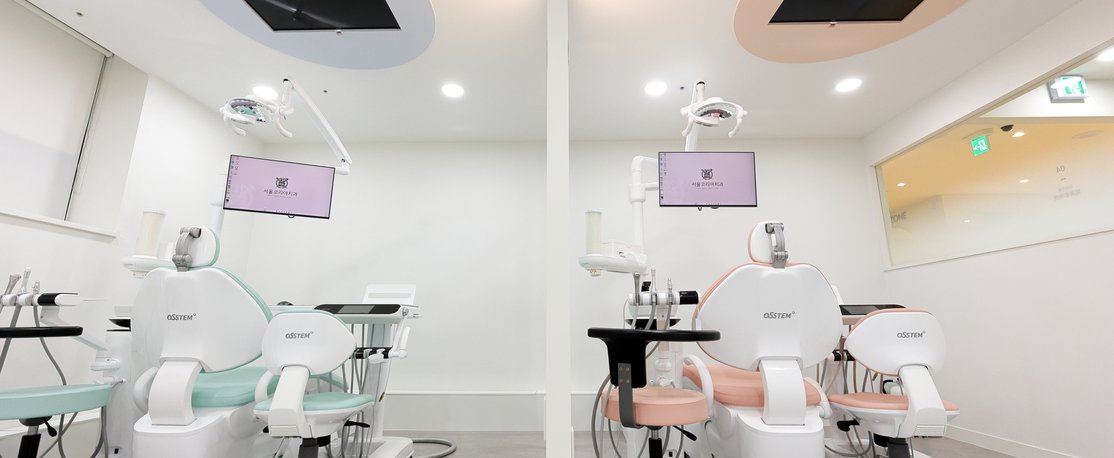
Check Point
Precautions during orthodontic treatment
Appliance care & brushing
Orthodontic treatment involves caring for appliances over a long period, so careful brushing is needed. At each visit, we also check how brushing and appliance care are going.
Wearing a retainer
Teeth tend to move back toward their original positions after orthodontic treatment. Please keep wearing your retainer in the way and for the period we advise.
Regular visits
Please visit regularly according to your scheduled appointments. At each visit, we check tooth movement and oral hygiene.
FAQ
Orthodontics FAQ
When is a good time to start orthodontic treatment during growth?
When to start growth-stage orthodontics depends on the type of malocclusion, how the teeth are coming in, and the growth of the upper and lower jaws. Not every child needs to start orthodontics early just because the front teeth are uneven. However, if a protruding or underdeveloped lower jaw, a difference in growth between the upper and lower jaws, or a lack of space for permanent teeth is suspected, it is a good idea to check the appropriate timing through a growth-stage check-up.
Can patients with disabilities receive orthodontic treatment?
Orthodontic treatment can be considered for patients with disabilities after assessing the teeth and gums, level of cooperation, and how well oral hygiene can be maintained. Because orthodontics involves caring for appliances over a long period and regular visits, not only the patient's cooperation but also the support caregivers can provide is important. We do not decide whether treatment is possible based on the type of disability alone, but through an individual diagnosis.
What happens if it becomes difficult to continue orthodontic treatment for a patient with a disability?
Seoul Korea Dental Clinic offers staged installment payments for orthodontic treatment for patients with disabilities. If the patient's health or level of cooperation changes, it may become difficult to continue orthodontic treatment as planned. The exact treatment stages, payment criteria, and conditions that apply if treatment is discontinued can be confirmed during orthodontic diagnosis and consultation.
Do I have to wear a retainer after orthodontic treatment?
Teeth tend to move back toward their original positions after orthodontic treatment, so alignment is maintained with a retainer. The type of retainer and how long to wear it are explained according to your teeth.
How do I choose between clear aligners and fixed braces?
It is decided after orthodontic diagnosis, considering the type and complexity of the malocclusion, whether you can keep to the required wearing time, and your oral hygiene habits.
Orthodontic consultation
We explain the orthodontic plan after checking your alignment, bite, and how well care can be managed during treatment.
Please call before your visit to confirm the schedule.