
Seoul Korea Dental Clinic
Special Care Dentistry for Patients with Disabilities
For patients with disabilities, we need to consider not only the oral condition but also cooperation, systemic conditions, medications,
and the way of communicating.
We look at the nature of the disability and the level of cooperation
together.
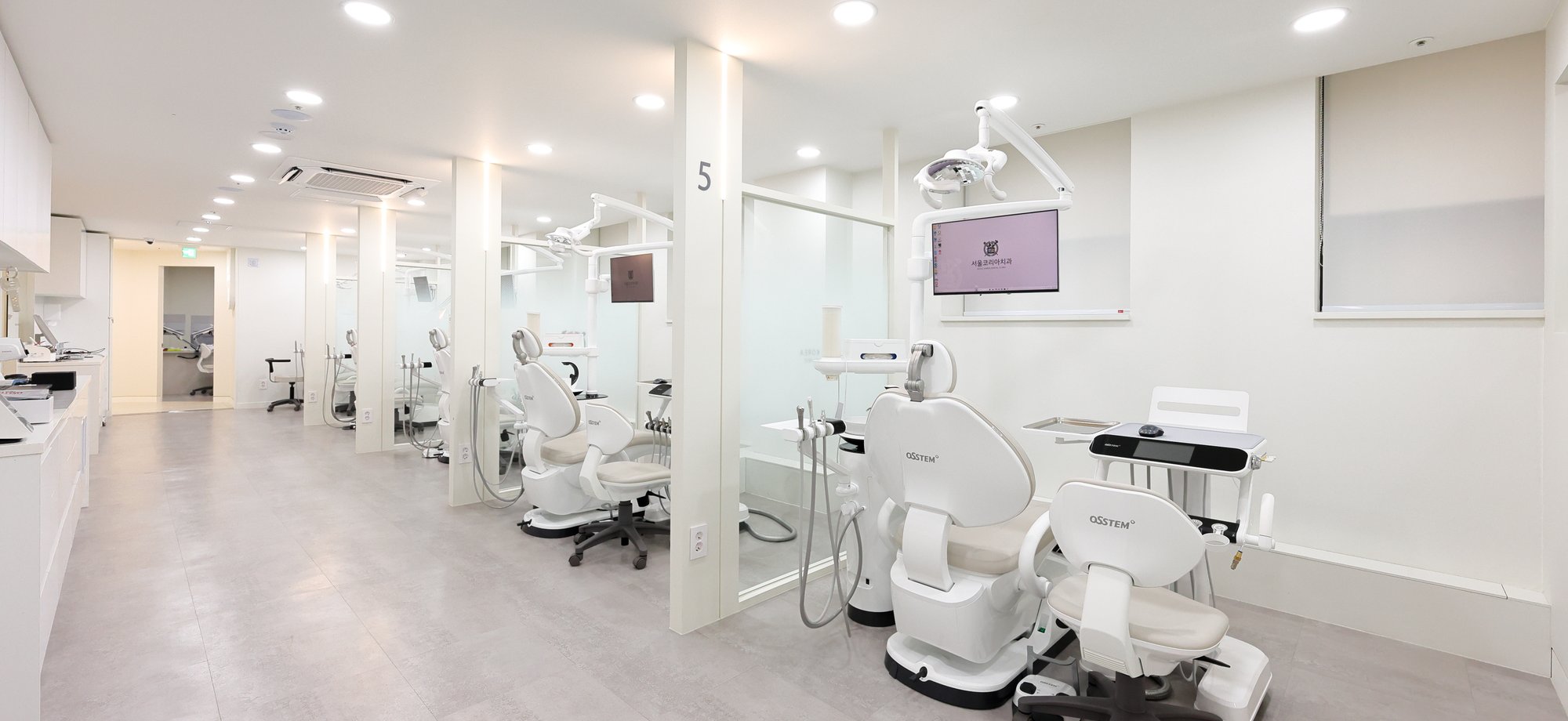
If cooperating during treatment is difficult, we start by finding what is possible together.
Tension in an unfamiliar setting, difficulty communicating, fear of treatment.
Based on the patient's responses and the caregiver's explanations,
we plan the treatment approach and scope together.
What we check together at the first visit
Even when the same treatment is needed, the conditions for receiving it differ.
Teeth, gums, and
oral condition
Systemic conditions, medications, and
general health
Way of communicating and
level of cooperation
Former Head, Chungbuk Dental Care Center for People with Disabilities, Cheongju Hankook Hospital
Specialist in orthodontics and Advanced General Dentistry Dr. Ahn Tae-hoon, Representative Director
According to the patient's condition and cooperation,
we decide the treatment approach
We do not apply the same method to every patient; we decide on a suitable method through an assessment before treatment.
Standard treatment
When communication and basic cooperation are possible
Treatment with protective stabilization
When cooperation is difficult, protective stabilization devices are used
Nitrous oxide · Conscious sedation
When anxiety and tension are strong and need to be eased
General anesthesia treatment
When treatment is difficult by other means, considered after a pre-treatment assessment
Barrier-free treatment environment
We have prepared spaces so that patients who come in a wheelchair or hospital bed can also receive treatment.
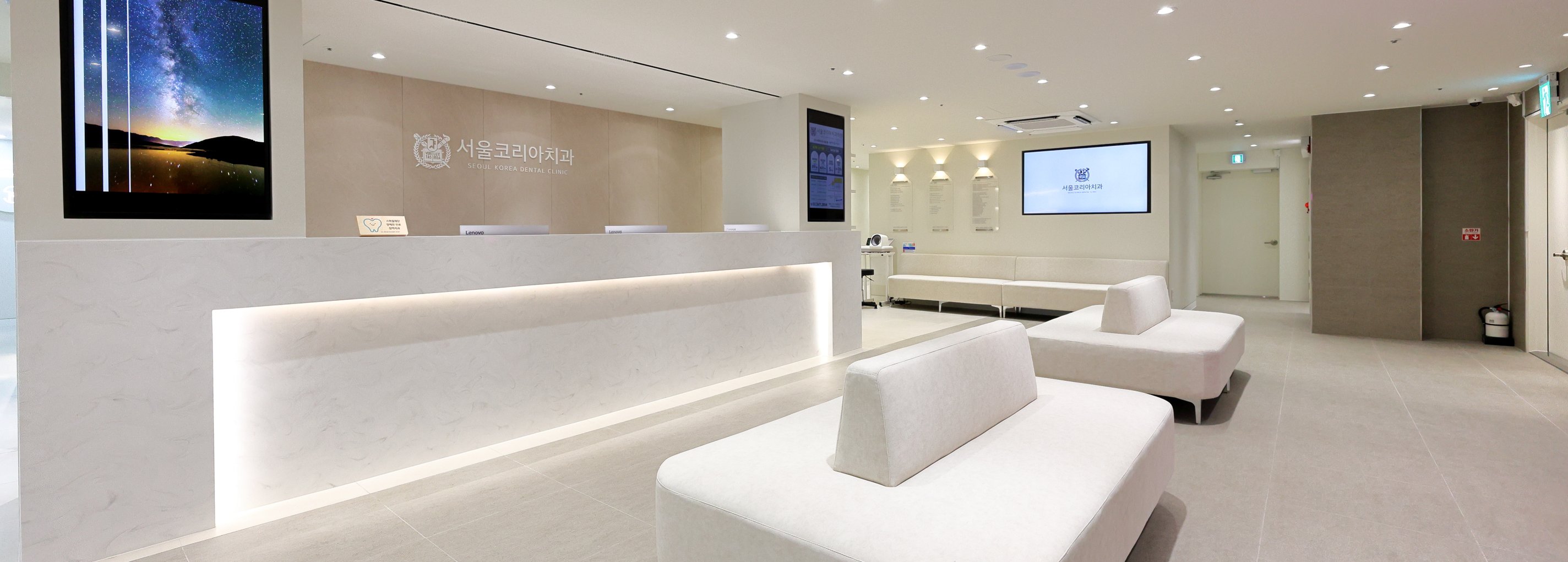
01Moving and receiving treatment on a hospital bed
A hospital bed can be moved from the clinic entrance via the elevator to the treatment room, and treatment can be received while lying on the bed.
02Wheelchair treatment space
There is a space where you can be treated without getting out of your wheelchair, designed as a step-free environment.
Who can consult us
People who find it difficult
to move from a wheelchair or transfer to a dental chair
People staying in a long-term care hospital
or receiving care at home
Patients with disabilities, older patients,
and their caregivers
So that disability does not become a barrier to care
Seoul Korea Dental Clinic checks each patient's different circumstances
and prepares so they can receive the care they need.
From the first visit to the treatment plan
Booking & advance information
If you tell us about the patient's condition when booking, we will let you know whether a caregiver should come and what to prepare.
Initial assessment
We check the oral condition, general health, way of communicating, and level of cooperation.
Deciding the treatment approach
We first check whether standard treatment is possible, and if needed, consider other treatment approaches.
Treatment & care guidance
We set the scope of treatment according to the patient's condition and cooperation on the day and explain how to care for the teeth.
We do not judge by the type of disability alone
Orthodontic consultation for patients with disabilities
Orthodontic treatment can be considered for patients with disabilities after assessing the teeth and gums, level of cooperation, and how well oral hygiene can be maintained.
Because orthodontics involves caring for appliances over a long period and regular visits, the support caregivers can provide is also important.
Before treatment, we carry out a cooperation assessment in which part of the appliance is attached first to check whether the patient can adjust to it,
and orthodontic costs are paid in installments by stage. The exact payment criteria can be confirmed during an orthodontic consultation.
Before treatment, please prepare
Bringing the following information helps us plan treatment.
Type of disability · way of communicating
Please tell us how the patient usually communicates and expresses themselves.
Systemic conditions
Please tell us about any conditions the patient has and current treatment.
Medications · allergies
Please list current medications and allergies. Do not stop medications on your own.
Past surgery and anesthesia experiences
Please let us know about any previous surgery or sedation/anesthesia experiences.
Test results · medical records
If you have test results or medical records from other medical institutions, please bring them.
Things that help the patient stay calm
When booking or visiting, please tell us about situations that cause anxiety and behaviors or objects that help the patient stay calm.
For caregivers
Caregiver accompaniment
Depending on the patient's ability to communicate and make decisions, their health, and the planned treatment method, a caregiver may need to come along.
Explanation & consent
When sedation or general anesthesia is being considered, or medical history and medications need to be checked, the caregiver's explanation and consent are important.
Confirming the schedule
Available treatments and doctors' schedules may vary by date and time, so please call to confirm before your visit.
Frequently Asked Questions
If you have more questions, please contact us by phone or through a booking consultation.
QIf I have a disability, do I have to be treated under general anesthesia?
Having a disability does not mean you must be treated with a special method. We decide on the treatment approach after checking the patient's ability to communicate, level of cooperation, systemic conditions, current medications, and the scope of treatment needed. In some cases standard treatment is possible, and if cooperation is difficult, behavior management, nitrous oxide, sedation, or general anesthesia may be considered.
QHow is dental care for patients with disabilities different from standard dental care?
We consider not only the oral condition but also the nature of the patient's disability, way of communicating, level of cooperation, and general health. A period of adjusting to the dental environment may be needed, and the treatment position or treatment time may need to be adjusted. We decide on a suitable treatment method and order while communicating closely with the caregiver.
QDoes a caregiver need to come along for dental care for a patient with a disability?
Depending on the patient's ability to communicate and make decisions, their health, and the planned treatment method, a caregiver may need to come along. In particular, when sedation or general anesthesia is being considered, or medical history and medications need to be checked accurately, the caregiver's explanation and consent are important. If you tell us about the patient's condition when booking, we will let you know whether a caregiver should come and what to prepare.
QCan patients with disabilities consider orthodontic treatment?
Orthodontic treatment can be considered after assessing the teeth and gums, level of cooperation, and how well oral hygiene can be maintained. Because orthodontics involves caring for appliances over a long period and regular visits, the support caregivers can provide is also important. We do not decide whether treatment is possible based on the type of disability alone, but through an individual diagnosis.
QCan I receive treatment if I come in a wheelchair or hospital bed?
Hospital beds and wheelchairs can be moved from the clinic entrance via the elevator to the treatment rooms, and there is a space where you can be treated without getting out of your wheelchair. If you tell us about the patient's condition and how they will travel before your visit, we will let you know what to prepare.
QCan I receive treatment on Sundays or public holidays?
We are open 365 days a year, including weekday evenings, weekends, and holidays. Available treatments and doctors' schedules may vary by date and time, so please call before your visit to confirm same-day hours and appointment availability.
If you are unsure about the treatment approach,
please consult us first.
After checking the patient's condition and the treatment needed, we will explain the available treatment options.