
Seoul Korea Dental Clinic
Dental Treatment under General Anesthesia
Another treatment option for patients
for whom treatment is difficult
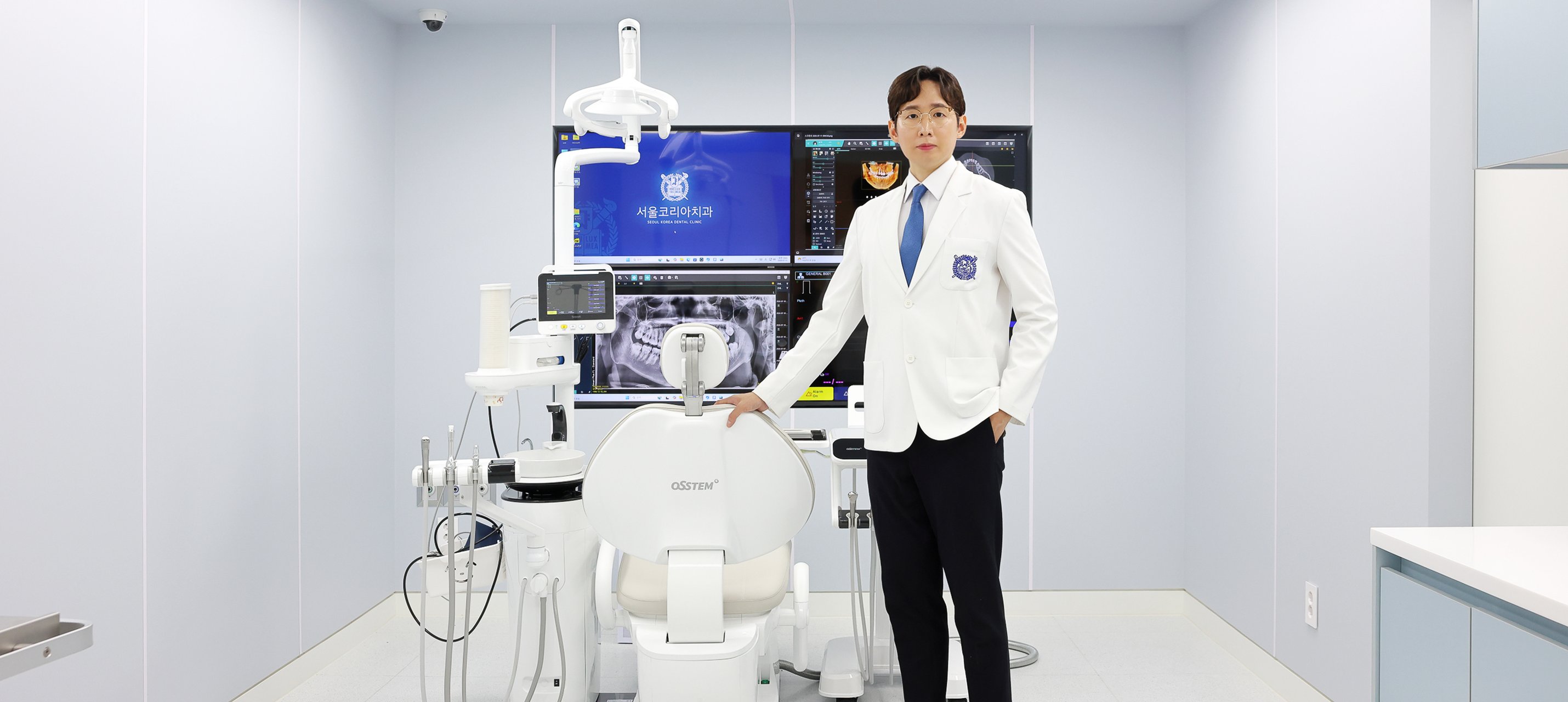
Dental treatment under general anesthesia is a method of treatment in which the patient's consciousness and movement are controlled.
When cooperation is very difficult or treatment is hard to carry out by other means, its use is considered after a pre-treatment assessment.
If standard treatment is difficult,
we assess whether general anesthesia may be an option.
Decided after assessment
We assess the scope of treatment and general health, and plan after fully explaining the possible benefits, risks, and recovery process.
General anesthesia is not decided on convenience alone.
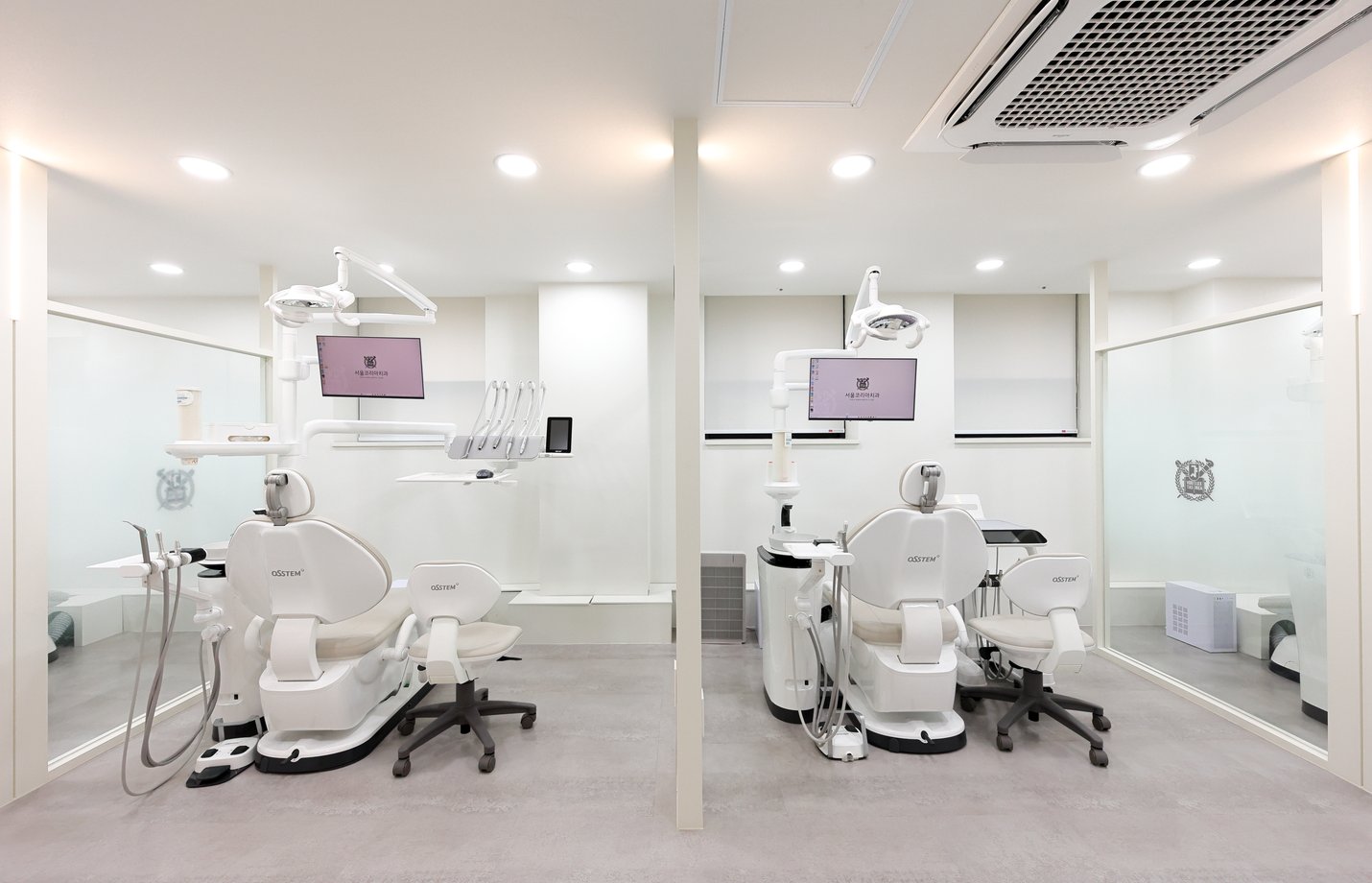
We review other treatment methods first
We also consider whether other methods — standard treatment, behavior management, nitrous oxide, or conscious sedation — can be used.
We plan the scope of treatment together
If several teeth need treatment, we review whether they can be treated together under a single anesthesia. The scope is set considering general condition and expected treatment time.
When general anesthesia may be considered
Please consult us in cases like these
- When strong dental fear or gag reflex makes it hard to continue treatment
- When cooperation is very difficult due to disability, developmental characteristics, or similar reasons
- When several teeth need treatment or the surgical scope is extensive
- When local anesthesia is not sufficiently effective, or a chronic condition makes long treatment sessions difficult
- When safe treatment is judged to be difficult with usual treatment methods
Whether it is used is decided by considering general health, the scope of treatment needed, the expected treatment time, and whether other treatment methods can be used.
Anesthesia care and
monitoring
General anesthesia is performed in collaboration with anesthesiology staff,
and vital signs such as pulse, blood pressure, ECG, and oxygen saturation are checked in real time from anesthesia through recovery.

Before treatment, we explain everything thoroughly
We plan after explaining the possible benefits, risks, and recovery process.
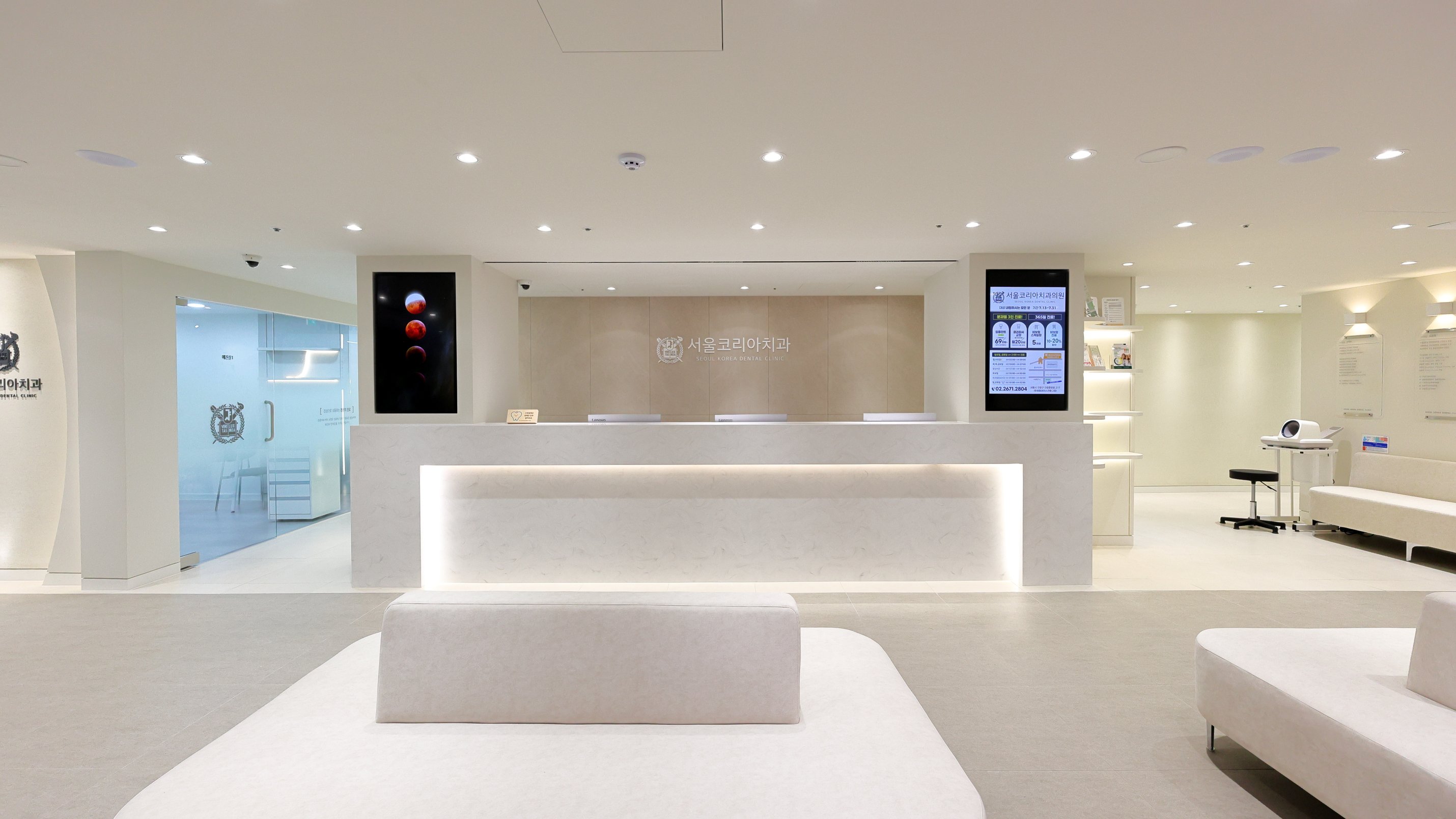
Possible benefits
We review whether treatment can be carried out even for patients who find it difficult to cooperate, and plan whether the necessary treatment can be done together under a single anesthesia.
Risks and limitations
General anesthesia can carry risks such as reactions to medication and changes in breathing and circulation, so it is not a method that can be used for every patient.
Other treatment methods
Depending on the pre-treatment assessment, we may recommend other methods such as standard treatment, behavior management, nitrous oxide, or conscious sedation.

General anesthesia treatment: a 4-step process
Pre-treatment tests
We carry out medical tests to check your general condition. If needed, we may request an opinion from another medical institution.
General anesthesia
General anesthesia is performed in collaboration with anesthesiology staff, and vital signs are checked.
Dental treatment
We carry out dental treatment within the scope planned in the consultation.
Going home after recovery
We check recovery, and if more recovery is needed, the patient recovers in the recovery room before going home.

Recovery room & recovery process
Treatment under general anesthesia is planned to include not only the treatment time but also the recovery process afterward.
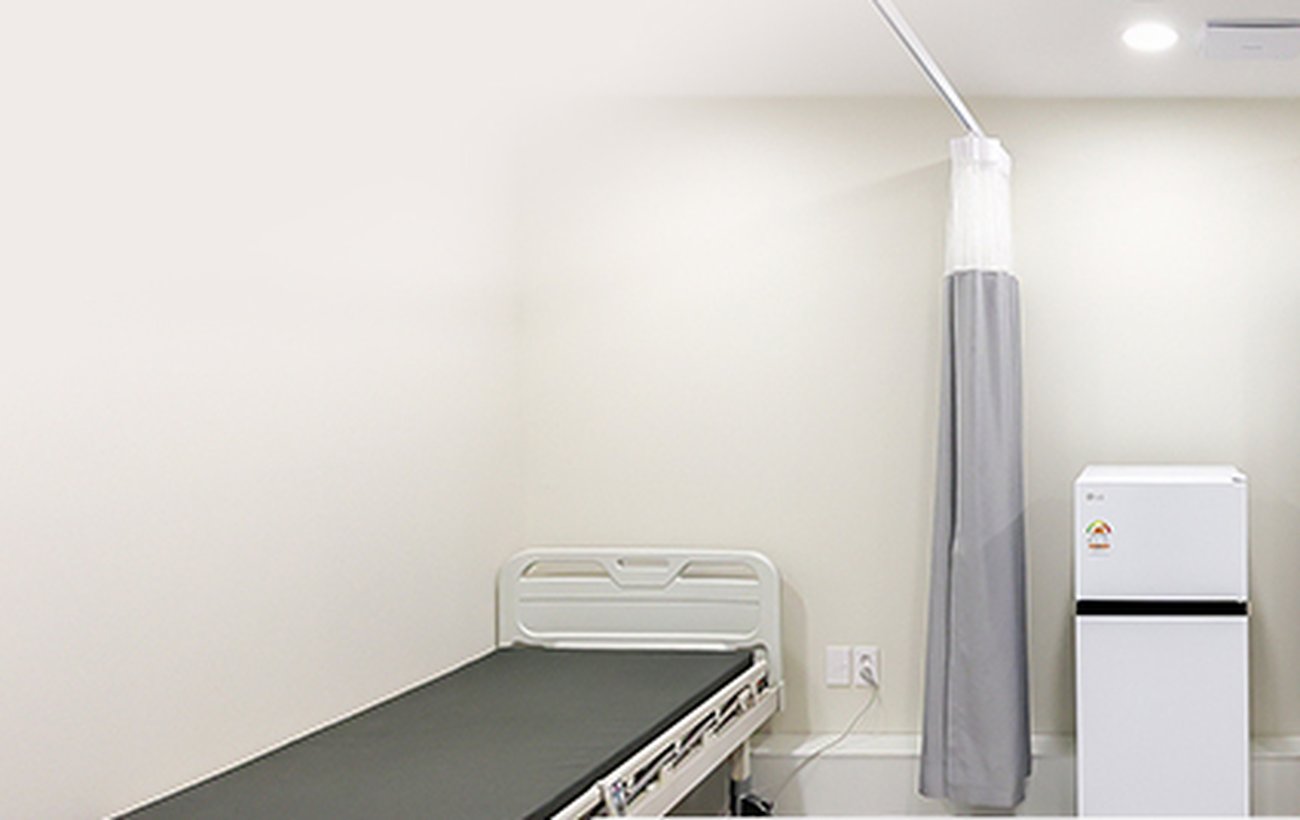
- Patients who need more time to recover after treatment, for example due to dizziness, recover in a separate recovery room before going home.
- Whether the recovery room is used and when you can go home are decided based on the patient's condition after treatment.
- We explain the recovery process and precautions after going home to the caregiver.
Not every patient needs to stay in the recovery room.
We guide recovery and going home according to each patient's condition.
For anesthesia and sedation:
equipment and emergency preparedness
Equipment is used according to the patient's condition and the treatment method.
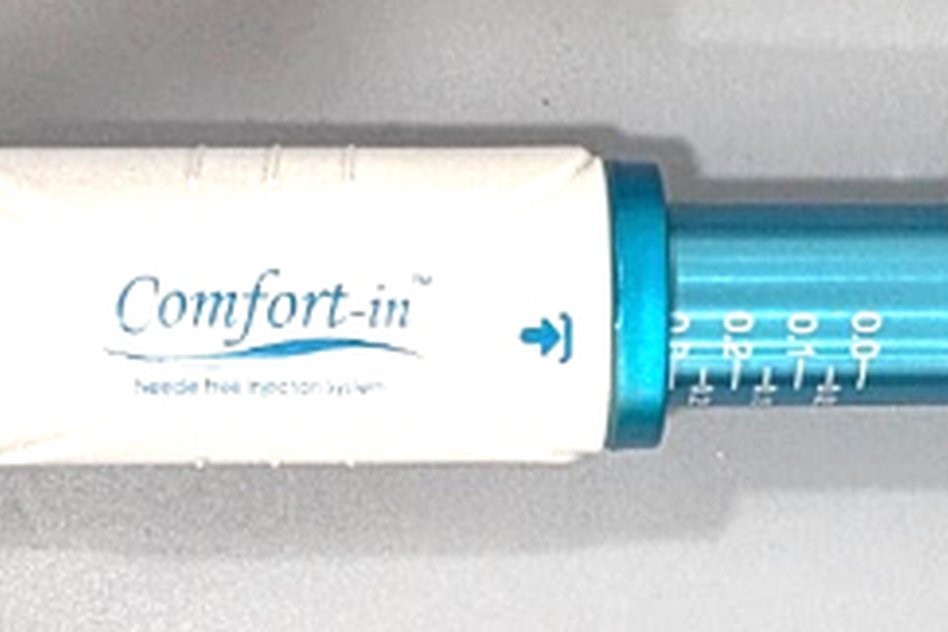
Delivers anesthetic solution with pressure instead of a needle
Needle-free anesthesia device
A device that uses pressure instead of a needle to deliver anesthetic solution into the gums.
Whether it is used depends on the area and situation.
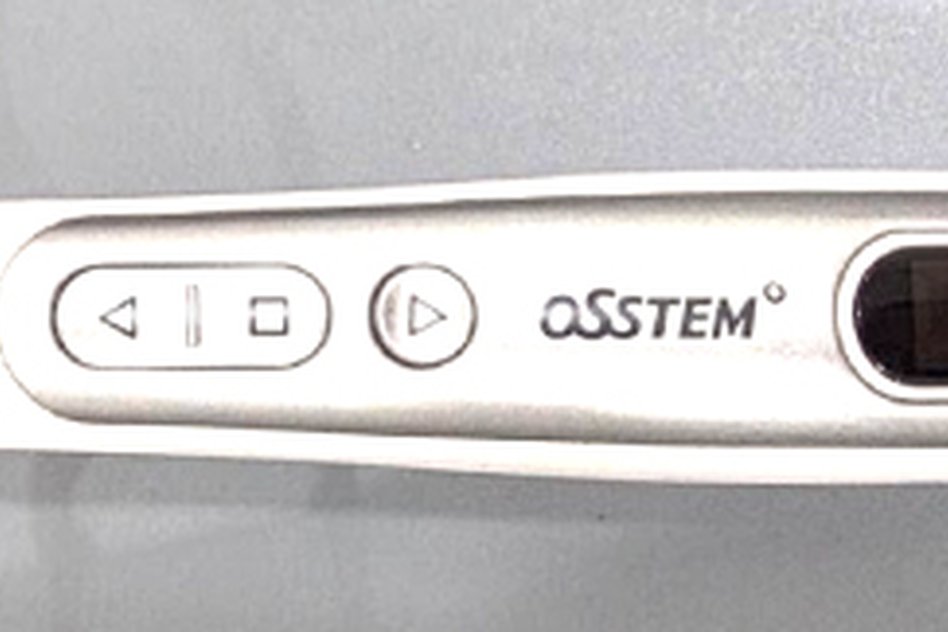
Keeps delivery speed and pressure steady
Computer-controlled anesthesia device
A device that keeps the speed and pressure of anesthetic delivery steady.
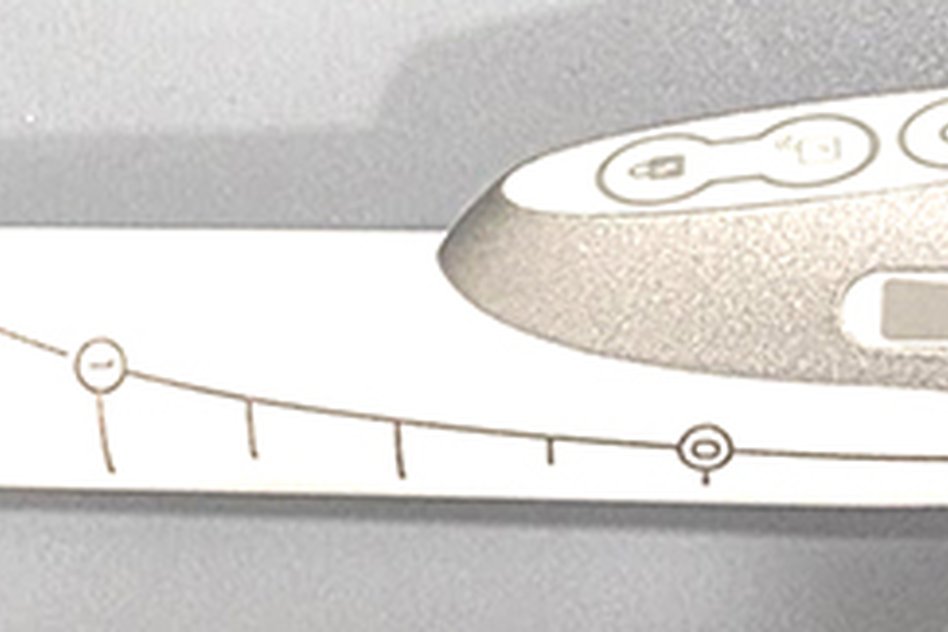
Delivers anesthetic solution into the bone
Intraosseous anesthesia device
A device that delivers anesthetic solution directly into the bone around the tooth.
Used depending on the treatment area and condition.
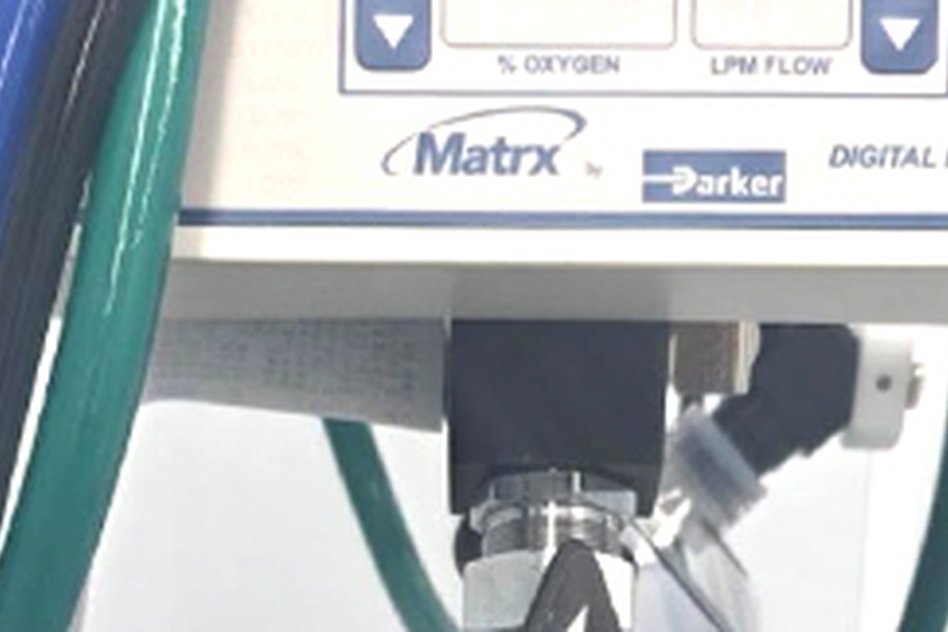
Mixes oxygen and nitrous oxide
Nitrous oxide equipment
Equipment that supplies a mixture of oxygen and nitrous oxide to be inhaled through the nose.
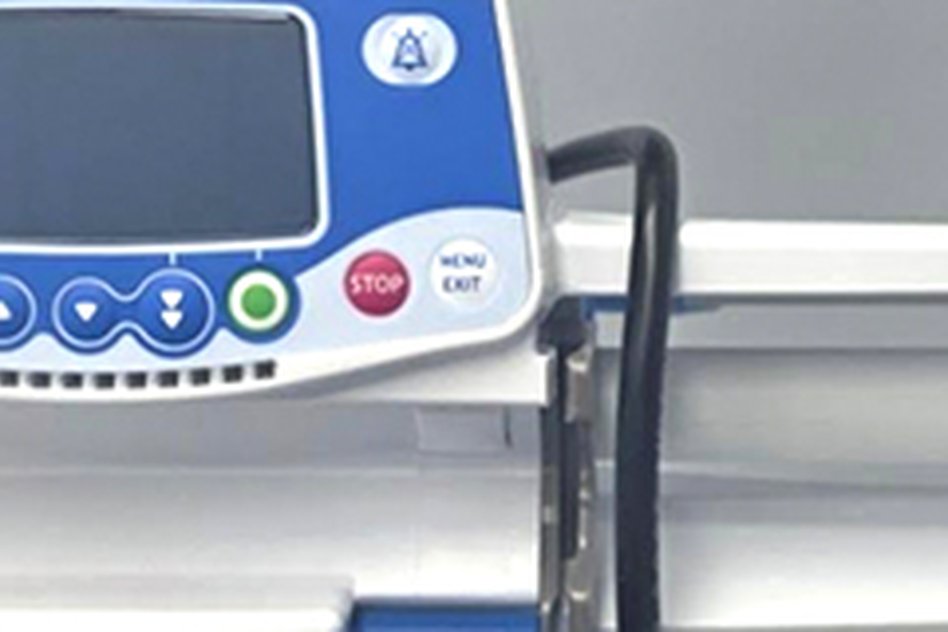
Delivers sedative medication at a steady rate
Syringe pump
Equipment that delivers intravenous sedative medication at a set rate during conscious sedation.
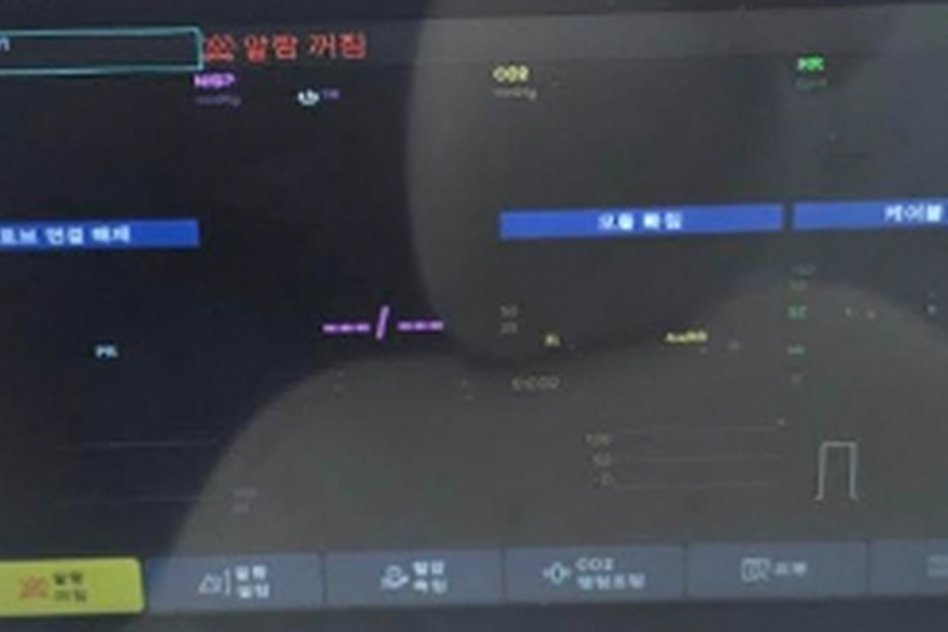
Shows vital signs in real time
Patient monitor
Displays pulse, blood pressure, ECG, and oxygen saturation in real time throughout treatment.
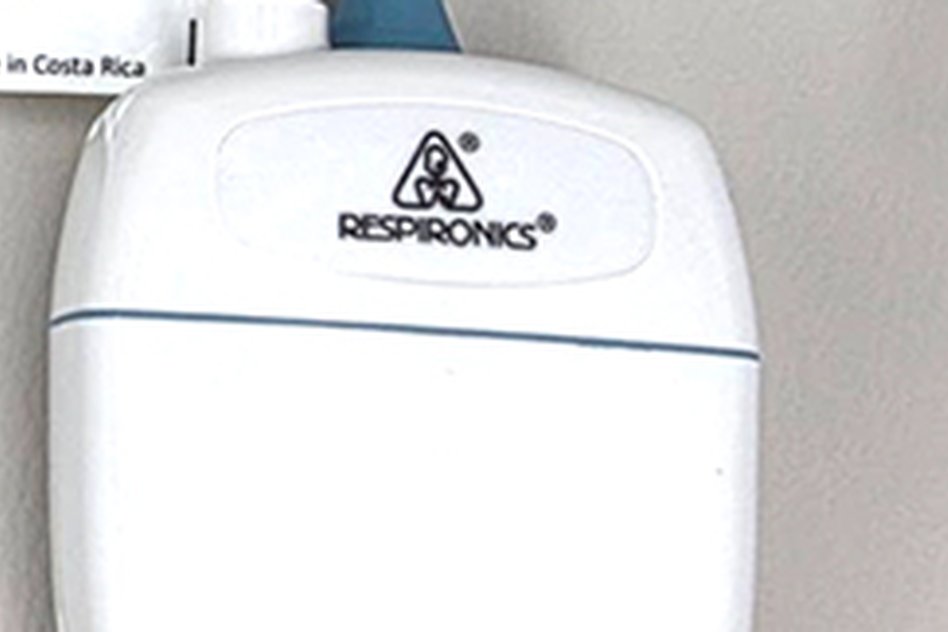
Checks breathing
EtCO2 sensor
Measures the carbon dioxide level in exhaled breath to check breathing during sedation and anesthesia.
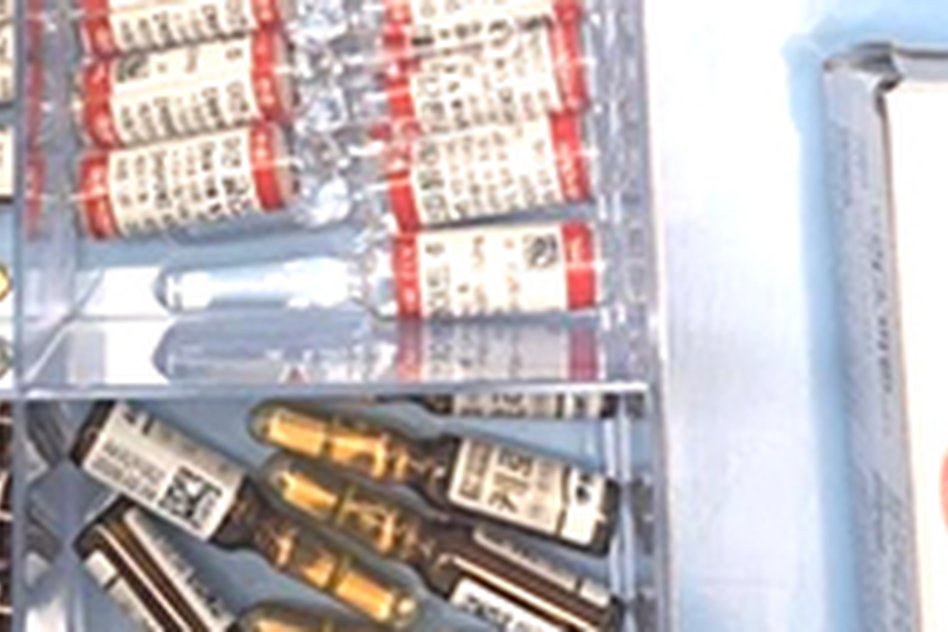
Prepared for emergencies
Emergency medications & airway equipment
To prepare for emergencies that may arise during sedation or general anesthesia, we keep emergency medications, reversal agents, and airway equipment.
Prepared for cardiac emergencies
Automated external defibrillator (AED)
We keep an automated external defibrillator for use in cardiac emergencies.

Before and after general anesthesia: preparation & recovery guide
For safe treatment, please check the following.
Fasting
You may need to fast for a certain period before general anesthesia. Instructions may also apply to water and other drinks, so please follow the fasting time you are given.
Medications
Please do not stop any medication on your own; tell us the type of medication and when you take it when booking or during your consultation.
Health information
Please let us know in advance about systemic conditions, allergies, past surgery or anesthesia experiences, and test results and medical records from other medical institutions.
Caregiver accompaniment
When general anesthesia is being considered, the caregiver's explanation and consent may be important. Please ask whether a caregiver should come when you book.
Going home after recovery
We let you know when you can go home after checking your recovery, and explain precautions for after you get home on the day of treatment.
Suitability
Whether general anesthesia can be used is decided after a consultation and pre-treatment assessment. It is not chosen for convenience alone, and we also review whether other treatment methods are possible.
Frequently Asked Questions
If you have more questions, please contact us by phone or through a booking consultation.
QHow do conscious sedation and general anesthesia differ in dentistry?
Conscious sedation, commonly called "sleep dentistry," is a method of treatment that uses medication to lower anxiety and tension; you breathe on your own and can respond to simple conversation and instructions. General anesthesia is a method of treatment in which the patient's consciousness and movement are controlled, and the preparation process and monitoring methods also differ. We decide on the appropriate method based on the patient's health and the scope of treatment.
QWhen is general anesthesia considered in dental care for patients with disabilities?
Having a disability does not necessarily mean treatment under general anesthesia. We first check whether treatment is possible with standard care or behavior management; if safe treatment is judged difficult even with nitrous oxide or sedation, or if cooperation is very difficult and the scope of treatment is extensive, we consider general anesthesia after assessing general health and the scope of treatment.
QWhat information should I share before dental treatment under general anesthesia?
Please tell us about systemic conditions, current medications, allergies, past surgery or anesthesia experiences, and test results and medical records from other medical institutions. Letting us know how the patient usually communicates, and any behaviors or objects that help them stay calm, helps us prepare. Please follow the fasting time and medication instructions given during your consultation.
QCan several teeth be treated at once under general anesthesia?
If several treatments are needed, we review whether they can be done together under a single anesthesia. However, the scope and duration of treatment are set considering general condition, expected treatment time, and the recovery process, so we cannot say for certain that all treatment can be done at once.
QHow are hospital stay and going home decided after general anesthesia?
We check recovery after treatment and let you know when you can go home. If more time is needed to recover, for example due to dizziness, the patient recovers in a separate recovery room before going home. Whether the recovery room is used is decided during the consultation and according to the patient's condition after treatment.
QDo I need to fast before sedation or general anesthesia?
Depending on the type of sedation or general anesthesia, you may need to fast for a certain period. Separate instructions may apply not only to food but also to water, drinks, and medications, so please follow the preparation instructions and fasting time given by our medical team. Do not stop any medication on your own; tell us the type of medication and when you take it when booking and during your consultation.
If you are unsure about the treatment approach,
please consult us first.
After checking the patient's condition and the treatment needed, we will explain the available treatment options.